Articles

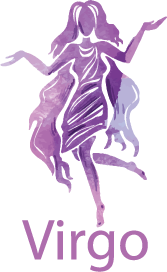
  • The History of Virgo: From Divine Maiden to Modern Healer

    Introduction

    Virgo, the sixth sign of the Western zodiac, is often described as analytical, precise, and service‑oriented. But behind these traits lies a deep history that stretches back thousands of years. From Babylonian astronomy to Greek mythology, Virgo has evolved into a symbol of purity, wisdom, and healing. Understanding Virgo means exploring its origins, symbolism, and enduring influence across cultures.

    Babylonian Beginnings

    The zodiac system originated in Babylon around 1000 BCE, where constellations were used to track agricultural cycles and seasonal changes. Virgo was associated with the constellation of the Maiden, often linked to fertility and harvest.

    For the Babylonians, Virgo symbolized the ripening of crops and the abundance of the earth. The maiden holding wheat represented nourishment and survival. This connection explains why Virgo is linked to service, practicality, and attention to detail.

    Egyptian and Greek Transformations

    The Egyptians adopted Babylonian star lore, associating Virgo with fertility and the cycles of the Nile. Goddesses of agriculture and wisdom were often connected to Virgo’s constellation.

    The Greeks gave Virgo its mythological identity. In Greek mythology, Virgo is often associated with Astraea, the goddess of justice and purity. Astraea lived among humans during the Golden Age but withdrew to the heavens when humanity became corrupt. She was placed in the sky as the constellation Virgo.

    This myth established Virgo as a symbol of purity, wisdom, and service—qualities still associated with the sign today.

    Ptolemy and the Classical Zodiac

    In the 2nd century CE, Claudius Ptolemy formalized the zodiac in his Tetrabiblos. Virgo was placed as the sixth sign, ruled by Mercury, the planet of intellect and communication. Its element was Earth, and its modality was Mutable, emphasizing adaptability and practicality.

    Ptolemy’s system gave Virgo its classical traits: analytical thinking, precision, and a love of service. These qualities reflected both the myth of Astraea and the agricultural symbolism of harvest and fertility.

    Virgo in the Middle Ages and Renaissance

    During the Middle Ages, Virgo was used in medical astrology. Physicians believed Virgo ruled the digestive system, influencing health and treatments. Charts often depicted Virgo as a maiden holding wheat, symbolizing nourishment and healing.

    In the Renaissance, Virgo appeared in art and literature as a symbol of purity and wisdom. Astrologers linked Virgo to scholars, healers, and caregivers, reinforcing its role as the sign of service and intellect.

    Modern Virgo: Personality and Psychology

    In modern astrology, Virgo is described as:

    • Analytical and Precise → Values detail, order, and clarity.
    • Service‑Oriented and Practical → Seeks to help others and improve systems.
    • Modest and Humble → Prefers quiet achievement over loud recognition.
    • Critical and Perfectionist → Strives for excellence, sometimes overly demanding.

    Psychologists like Carl Jung saw zodiac signs as archetypes. Virgo represents the Healer archetype—the part of us that seeks to nurture, improve, and bring order. This archetype explains why Virgo individuals are often drawn to medicine, teaching, and service.

    Virgo and the Elements

    Virgo is an Earth sign, symbolizing stability, practicality, and grounding. Earth signs are known for their reliability and connection to material reality. Virgo, as the second Earth sign, embodies the detail and precision needed for growth and improvement.

    Its ruling planet, Mercury, adds intellect and communication. Mercury represents analysis, logic, and adaptability, reinforcing Virgo’s love of detail and service. Together, Earth and Mercury make Virgo a sign of practicality and wisdom.

    Virgo in Culture and Symbolism

    Virgo continues to appear in cultural expressions:

    • Horoscopes → Virgo is often described as analytical and service‑oriented.
    • Art and Literature → The maiden symbolizes purity, wisdom, and healing.
    • Popular Culture → Virgo traits are used to describe scholars, healers, and perfectionists.

    Even outside astrology, Virgo’s symbolism resonates as a metaphor for service, wisdom, and improvement.

    Conclusion

    The history of Virgo reveals a journey from Babylonian astronomy to Greek mythology, from Ptolemy’s system to modern horoscopes. Virgo has always symbolized purity, wisdom, and service. Whether as Astraea, the divine maiden of myth, or the analytical healer of astrology, Virgo continues to inspire reflection and identity.

    For those born under Virgo, the sign offers both a challenge and a gift: to embrace detail while balancing flexibility, to serve others while nurturing themselves, and to strive for excellence while accepting imperfection. In the end, Virgo is not just a zodiac sign—it is a timeless archetype of human wisdom and healing.

    Read Next: Libra
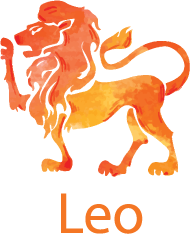
  • The History of Leo: From Mythic Lion to Modern Leader

    Leo zodiac

    Introduction

    Leo, the fifth sign of the Western zodiac, is often described as charismatic, confident, and creative. But behind these traits lies a powerful history that stretches back thousands of years. From Babylonian astronomy to Greek mythology, Leo has evolved into a symbol of courage, leadership, and vitality. Understanding Leo means exploring its origins, symbolism, and enduring influence across cultures.

    Babylonian Beginnings

    The zodiac system originated in Babylon around 1000 BCE, where constellations were used to track agricultural cycles and seasonal changes. Leo was associated with the constellation of the Lion, marking the height of summer.

    For the Babylonians, Leo symbolized the sun’s strength and the season of harvest. The lion, a creature of power and dominance, represented courage and authority. This connection explains why Leo is linked to leadership, vitality, and creativity.

    Egyptian and Greek Transformations

    The Egyptians adopted Babylonian star lore, integrating Leo into their religious practices. Lions were sacred animals in Egyptian culture, often associated with war, protection, and divine strength.

    The Greeks gave Leo its mythological identity. In Greek mythology, Leo is connected to the story of Heracles (Hercules) and the Nemean Lion. The lion was a fearsome beast with impenetrable skin. Heracles defeated it as his first labor, using its own claws to skin it. Zeus honored the lion by placing it in the sky as the constellation Leo.

    This myth established Leo as a symbol of courage, victory, and immortality—qualities still associated with the sign today.

    Ptolemy and the Classical Zodiac

    In the 2nd century CE, Claudius Ptolemy formalized the zodiac in his Tetrabiblos. Leo was placed as the fifth sign, ruled by the Sun, the planet of vitality and identity. Its element was Fire, and its modality was Fixed, emphasizing stability and persistence.

    Ptolemy’s system gave Leo its classical traits: confidence, creativity, and leadership. These qualities reflected both the myth of the lion and the agricultural symbolism of summer’s strength.

    Leo in the Middle Ages and Renaissance

    During the Middle Ages, Leo was used in medical astrology. Physicians believed Leo ruled the heart and spine, influencing health and treatments. Charts often depicted Leo as a lion, symbolizing courage and vitality.

    In the Renaissance, Leo appeared in art and literature as a symbol of kingship and creativity. Astrologers linked Leo to rulers, artists, and leaders, reinforcing its role as the sign of charisma and authority.

    Modern Leo: Personality and Psychology

    In modern astrology, Leo is described as:

    • Charismatic and Confident → Natural leaders who inspire others.
    • Creative and Expressive → Drawn to art, performance, and innovation.
    • Generous and Loyal → Devoted to loved ones, often protective.
    • Proud and Determined → Strong sense of identity, sometimes stubborn.

    Psychologists like Carl Jung saw zodiac signs as archetypes. Leo represents the Leader archetype—the part of us that seeks recognition, inspires others, and creates with passion. This archetype explains why Leo individuals are often drawn to leadership, art, and self‑expression.

    Leo and the Elements

    Leo is a Fire sign, symbolizing passion, energy, and creativity. Fire signs are known for their dynamism and inspiration. Leo, as the second Fire sign, embodies the flame of creativity and leadership.

    Its ruling planet, the Sun, adds vitality and identity. The Sun represents self, ego, and life force, reinforcing Leo’s connection to confidence and charisma. Together, Fire and the Sun make Leo a sign of creativity and leadership.

    Leo in Culture and Symbolism

    Leo continues to appear in cultural expressions:

    • Horoscopes → Leo is often described as charismatic and creative.
    • Art and Literature → The lion symbolizes courage, kingship, and vitality.
    • Popular Culture → Leo traits are used to describe leaders, performers, and innovators.

    Even outside astrology, Leo’s symbolism resonates as a metaphor for courage, creativity, and leadership.

    Conclusion

    The history of Leo reveals a journey from Babylonian astronomy to Greek mythology, from Ptolemy’s system to modern horoscopes. Leo has always symbolized courage, creativity, and leadership. Whether as the mythic lion or the charismatic leader of astrology, Leo continues to inspire reflection and identity.

    For those born under Leo, the sign offers both a challenge and a gift: to embrace confidence while balancing humility, to lead with courage while nurturing creativity, and to inspire others while honoring individuality. In the end, Leo is not just a zodiac sign—it is a timeless archetype of human vitality and leadership.

    Read Next: Virgo

  • The History of Cancer: From Mythic Crab to Modern Nurturer

    Introduction

    Cancer, the fourth sign of the Western zodiac, is often described as nurturing, emotional, and protective. But behind these traits lies a fascinating history that stretches back thousands of years. From Babylonian astronomy to Greek mythology, Cancer has evolved into a symbol of home, family, and resilience. Understanding Cancer means exploring its origins, symbolism, and enduring influence across cultures.

    Babylonian Beginnings

    The zodiac system originated in Babylon around 1000 BCE, where constellations were used to track agricultural cycles and seasonal changes. Cancer was associated with the constellation of the Crab, marking the summer solstice.

    For the Babylonians, Cancer symbolized the peak of the sun’s power, a time of warmth and abundance. The crab, a creature of both land and sea, represented adaptability and protection. This connection explains why Cancer is linked to nurturing, resilience, and emotional depth.

    Egyptian and Greek Transformations

    The Egyptians adopted Babylonian star lore, integrating Cancer into their religious practices. The crab was seen as a symbol of fertility and protection, reflecting the cycles of the Nile and the importance of family.

    The Greeks gave Cancer its mythological identity. In Greek mythology, Cancer is connected to the story of Heracles (Hercules) and the Hydra. During Heracles’ battle with the Hydra, Hera sent a giant crab to distract him. Heracles crushed the crab, but Hera honored its sacrifice by placing it in the sky as the constellation Cancer.

    This myth established Cancer as a symbol of loyalty, sacrifice, and protection—qualities still associated with the sign today.

    Ptolemy and the Classical Zodiac

    In the 2nd century CE, Claudius Ptolemy formalized the zodiac in his Tetrabiblos. Cancer was placed as the fourth sign, ruled by the Moon, the planet of emotions and cycles. Its element was Water, and its modality was Cardinal, emphasizing initiation and nurturing.

    Ptolemy’s system gave Cancer its classical traits: sensitivity, protectiveness, and a love of home. These qualities reflected both the myth of the crab and the agricultural symbolism of fertility and family.

    Cancer in the Middle Ages and Renaissance

    During the Middle Ages, Cancer was used in medical astrology. Physicians believed Cancer ruled the chest and stomach, influencing health and treatments. Charts often depicted Cancer as a crab, symbolizing protection and nourishment.

    In the Renaissance, Cancer appeared in art and literature as a symbol of family and emotion. Astrologers linked Cancer to mothers, caregivers, and protectors, reinforcing its role as the sign of nurturing and home.

    Modern Cancer: Personality and Psychology

    In modern astrology, Cancer is described as:

    • Nurturing and Protective → Values family, home, and emotional bonds.
    • Emotional and Intuitive → Sensitive to feelings and moods.
    • Resilient and Loyal → Strong in adversity, devoted to loved ones.
    • Creative and Imaginative → Draws inspiration from emotions and intuition.

    Psychologists like Carl Jung saw zodiac signs as archetypes. Cancer represents the Caregiver archetype—the part of us that nurtures, protects, and creates emotional bonds. This archetype explains why Cancer individuals are often drawn to family life, caregiving, and creative expression.

    Cancer and the Elements

    Cancer is a Water sign, symbolizing emotion, intuition, and adaptability. Water signs are known for their sensitivity and depth. Cancer, as the first Water sign, embodies the nurturing flow of emotion and protection.

    Its ruling planet, the Moon, adds cycles and intuition. The Moon represents emotions, instincts, and family, reinforcing Cancer’s connection to home and nurturing. Together, Water and the Moon make Cancer a sign of emotional depth and resilience.

    Cancer in Culture and Symbolism

    Cancer continues to appear in cultural expressions:

    • Horoscopes → Cancer is often described as nurturing and emotional.
    • Art and Literature → The crab symbolizes protection, sacrifice, and resilience.
    • Popular Culture → Cancer traits are used to describe caregivers, artists, and protectors.

    Even outside astrology, Cancer’s symbolism resonates as a metaphor for family, emotion, and resilience.

    Conclusion

    The history of Cancer reveals a journey from Babylonian astronomy to Greek mythology, from Ptolemy’s system to modern horoscopes. Cancer has always symbolized nurturing, protection, and emotional depth. Whether as the mythic crab or the caring nurturer of astrology, Cancer continues to inspire reflection and identity.

    For those born under Cancer, the sign offers both a challenge and a gift: to embrace sensitivity while balancing resilience, to protect loved ones while nurturing themselves, and to create emotional bonds while honoring individuality. In the end, Cancer is not just a zodiac sign—it is a timeless archetype of human care and resilience.

    Read Next: Leo

  • The History of Gemini: From Mythic Twins to Modern Archetypes

    Introduction

    Gemini, the third sign of the Western zodiac, is often described as curious, adaptable, and communicative. But behind these traits lies a rich history that stretches back thousands of years. From Babylonian astronomy to Greek mythology, Gemini has evolved into a symbol of duality, intellect, and human connection. Understanding Gemini means exploring its origins, symbolism, and enduring influence across cultures.

    Babylonian Beginnings

    The zodiac system originated in Babylon around 1000 BCE, where constellations were used to track agricultural cycles and seasonal changes. Gemini was associated with the constellation of the Twins, representing duality and partnership.

    For the Babylonians, Gemini marked the transition from spring to summer, a time of balance between planting and harvest. The twin stars—later identified as Castor and Pollux—symbolized companionship and cooperation, essential for survival in agricultural societies.

    Egyptian and Greek Transformations

    The Egyptians adopted Babylonian star lore, integrating Gemini into their religious practices. Twins were often seen as sacred, representing balance and harmony.

    The Greeks gave Gemini its mythological identity. In Greek mythology, Gemini is connected to the Dioscuri—Castor and Pollux, twin brothers born of Leda. Castor was mortal, while Pollux was immortal, creating a bond of love and sacrifice. When Castor died, Pollux begged Zeus to let them share immortality. Zeus placed them in the sky as the constellation Gemini.

    This myth established Gemini as a symbol of brotherhood, duality, and eternal connection—qualities still associated with the sign today.

    Ptolemy and the Classical Zodiac

    In the 2nd century CE, Claudius Ptolemy formalized the zodiac in his Tetrabiblos. Gemini was placed as the third sign, ruled by Mercury, the planet of communication and intellect. Its element was Air, and its modality was Mutable, emphasizing adaptability and change.

    Ptolemy’s system gave Gemini its classical traits: curiosity, versatility, and a love of communication. These qualities reflected both the myth of the Twins and the agricultural symbolism of balance and transition.

    Gemini in the Middle Ages and Renaissance

    During the Middle Ages, Gemini was used in medical astrology. Physicians believed Gemini ruled the arms, shoulders, and lungs, influencing health and treatments. Charts often depicted Gemini as twin figures, symbolizing duality and balance.

    In the Renaissance, Gemini appeared in art and literature as a symbol of partnership and intellect. Astrologers linked Gemini to scholars, writers, and travelers, reinforcing its role as the sign of communication and exploration.

    Modern Gemini: Personality and Psychology

    In modern astrology, Gemini is described as:

    • Curious and Adaptable → Always eager to learn and explore.
    • Communicative and Social → Loves conversation and connection.
    • Versatile and Restless → Enjoys variety, sometimes struggles with focus.
    • Dual and Complex → Can show different sides depending on context.

    Psychologists like Carl Jung saw zodiac signs as archetypes. Gemini represents the Messenger archetype—the part of us that seeks knowledge, shares ideas, and connects people. This archetype explains why Gemini individuals are often drawn to writing, teaching, and networking.

    Gemini and the Elements

    Gemini is an Air sign, symbolizing intellect, communication, and adaptability. Air signs are known for their curiosity and social nature. Gemini, as the first Air sign, embodies the spark of conversation and exploration.

    Its ruling planet, Mercury, adds speed and versatility. Mercury represents communication, travel, and intellect, reinforcing Gemini’s love of learning and connecting. Together, Air and Mercury make Gemini a sign of curiosity and dialogue.

    Gemini in Culture and Symbolism

    Gemini continues to appear in cultural expressions:

    • Horoscopes → Gemini is often described as curious and communicative.
    • Art and Literature → The Twins symbolize duality, partnership, and eternal bonds.
    • Popular Culture → Gemini traits are used to describe writers, travelers, and social connectors.

    Even outside astrology, Gemini’s symbolism resonates as a metaphor for duality, curiosity, and human connection.

    Conclusion

    The history of Gemini reveals a journey from Babylonian astronomy to Greek mythology, from Ptolemy’s system to modern horoscopes. Gemini has always symbolized duality, curiosity, and communication. Whether as the mythic Twins or the adaptable messenger of astrology, Gemini continues to inspire reflection and identity.

    For those born under Gemini, the sign offers both a challenge and a gift: to embrace curiosity while balancing focus, to connect with others while honoring individuality, and to explore variety while cultivating depth. In the end, Gemini is not just a zodiac sign—it is a timeless archetype of human curiosity and connection.

    Read Next: Cancer

  • The History of Taurus: From Ancient Myth to Modern Personality

    Taurus zodiac


    Introduction

    Taurus, the second sign of the Western zodiac, is often described as steadfast, practical, and sensual. But behind these traits lies a fascinating history that stretches back thousands of years. From Babylonian astronomy to Greek mythology, Taurus has evolved into a symbol of stability, fertility, and earthly pleasure.

    Understanding Taurus means exploring its origins, symbolism, and enduring influence across cultures.

    Babylonian Beginnings

    The zodiac system originated in Babylon around 1000 BCE, where constellations were used to track agricultural cycles. Taurus was associated with the spring season, a time of planting and fertility. The constellation itself was linked to the bull, a powerful animal symbolizing strength and abundance.
    For ancient farmers, Taurus marked the time when the earth was fertile and ready to yield crops. This connection explains why Taurus is linked to stability, patience, and material prosperity. The bull was not just an animal—it was a cosmic symbol of survival and wealth.

    Egyptian and Greek Transformations

    The Egyptians adopted Babylonian star lore, associating Taurus with fertility and the cycles of the Nile. Bulls were sacred animals in Egyptian religion, often linked to gods of strength and fertility.
    The Greeks gave Taurus its mythological identity. In Greek mythology, Taurus is connected to the story of Zeus and Europa. Zeus, disguised as a magnificent white bull, carried Europa across the sea to Crete. This myth established Taurus as a symbol of sensuality, desire, and transformation.
    Another myth links Taurus to the Cretan Bull, a creature captured by Hercules as one of his twelve labors. These stories reinforced Taurus as a sign of power, endurance, and earthly pleasure.

    Ptolemy and the Classical Zodiac

    In the 2nd century CE, Claudius Ptolemy formalized the zodiac in his Tetrabiblos. Taurus was placed as the second sign, ruled by Venus, the planet of love and beauty. Its element was Earth, and its modality was Fixed, emphasizing stability and persistence.
    Ptolemy’s system gave Taurus its classical traits: reliability, sensuality, and a love of beauty. These qualities reflected both the agricultural symbolism of spring and the mythological stories of desire and fertility.

    Taurus in the Middle Ages and Renaissance

    During the Middle Ages, Taurus was used in medical astrology. Physicians believed Taurus ruled the throat and neck, influencing health and treatments. Charts often depicted Taurus as a bull, symbolizing vitality and fertility.

    In the Renaissance, Taurus appeared in art and literature as a symbol of abundance and sensuality. Astrologers linked Taurus to wealth, beauty, and earthly pleasures, reinforcing its role as the sign of stability and prosperity.

    Modern Taurus: Personality and Psychology
    In modern astrology, Taurus is described as:

    • Steadfast and Practical → Reliable, grounded, and patient.
    • Sensual and Artistic → Appreciates beauty, comfort, and pleasure.
    • Persistent and Determined → Once committed, Taurus rarely gives up.
    • Material and Security‑Oriented → Values stability, wealth, and comfort.
    • Psychologists like Carl Jung saw zodiac signs as archetypes. Taurus represents the Provider archetype—the part of us that seeks stability, nurtures growth, and enjoys the pleasures of life. This archetype explains why Taurus individuals are often drawn to art, nature, and material security.

    Taurus and the Elements

    Taurus is an Earth sign, symbolizing stability, practicality, and grounding. Earth signs are known for their reliability and connection to material reality. Taurus, as the first Earth sign, embodies the foundation of life—fertility, patience, and abundance.
    Its ruling planet, Venus, adds beauty and sensuality. Venus represents love, art, and pleasure, reinforcing Taurus’ appreciation for comfort and aesthetics. Together, Earth and Venus make Taurus a sign of stability and sensual enjoyment.

    Taurus in Culture and Symbolism

    Taurus continues to appear in cultural expressions:

    • Horoscopes → Taurus is often described as reliable and sensual.
    • Art and Literature → The bull symbolizes strength, fertility, and desire.
    • Popular Culture → Taurus traits are used to describe artists, builders, and providers.
      Even outside astrology, Taurus’ symbolism resonates as a metaphor for stability, abundance, and earthly pleasure.

    Conclusion

    The history of Taurus reveals a journey from Babylonian astronomy to Greek mythology, from Ptolemy’s system to modern horoscopes. Taurus has always symbolized stability, fertility, and sensuality. Whether as the bull of myth or the grounded provider of astrology, Taurus continues to inspire reflection and identity.
    For those born under Taurus, the sign offers both a challenge and a gift: to embrace patience while avoiding stubbornness, to enjoy beauty while balancing practicality, and to provide stability while nurturing growth. In the end, Taurus is not just a zodiac sign—it is a timeless archetype of human endurance and pleasure.

    Read next: Gemini

  • The History of Aries: From Myth to Modern Personality

    Introduction

    Aries, the first sign of the Western zodiac, is often described as bold, energetic, and pioneering. But behind these traits lies a rich history that stretches back thousands of years. From Babylonian astronomy to Greek mythology, Aries has evolved into a cultural archetype that continues to inspire reflection and identity today. Understanding Aries means exploring its origins, symbolism, and enduring influence.

    Babylonian Beginnings

    The zodiac system originated in Babylon around 1000 BCE, where constellations were used to track agricultural cycles and seasonal changes. Aries was associated with the spring equinox, a time of renewal and planting. For ancient farmers, Aries marked the beginning of the year—a symbol of new life and fresh energy.

    This connection to spring explains why Aries is linked to vitality, courage, and beginnings. The Babylonians saw Aries not just as a constellation but as a cosmic marker of rebirth.

    Egyptian and Greek Transformations

    The Egyptians adopted Babylonian star lore, integrating Aries into their religious practices. Aries was associated with fertility and the Nile’s cycles, reinforcing its role as a symbol of renewal.

    The Greeks gave Aries its mythological identity. In Greek mythology, Aries is connected to the Golden Ram, whose fleece became the prize in the story of Jason and the Argonauts. The ram rescued Phrixus and Helle, carrying them across the sea. Phrixus sacrificed the ram to Zeus, and its fleece became a symbol of kingship and destiny.

    This myth established Aries as a symbol of courage, sacrifice, and leadership—qualities still associated with the sign today.

    Ptolemy and the Classical Zodiac

    In the 2nd century CE, Claudius Ptolemy formalized the zodiac in his Tetrabiblos. Aries was placed as the first sign, ruled by Mars, the planet of war and energy. Its element was Fire, and its modality was Cardinal, emphasizing initiation and action.

    Ptolemy’s system gave Aries its classical traits: boldness, assertiveness, and a drive to lead. These qualities reflected both the myth of the Golden Ram and the agricultural symbolism of spring.

    Aries in the Middle Ages and Renaissance

    During the Middle Ages, Aries was used in medical astrology. Physicians believed Aries ruled the head and face, influencing health and treatments. Charts often depicted Aries as a ram, symbolizing vitality and strength.

    In the Renaissance, Aries appeared in art and literature as a symbol of courage and renewal. Astrologers linked Aries to kingship and leadership, reinforcing its role as the sign of pioneers and rulers.

    Modern Aries: Personality and Psychology

    In modern astrology, Aries is described as:

    • Bold and Energetic → Always ready to take initiative.
    • Independent → Prefers to lead rather than follow.
    • Impulsive → Acts quickly, sometimes without planning.
    • Passionate → Driven by enthusiasm and creativity.

    Psychologists like Carl Jung saw zodiac signs as archetypes. Aries represents the Warrior archetype—the part of us that seeks challenges, defends values, and pursues goals with courage. This archetype explains why Aries individuals are often drawn to leadership, adventure, and innovation.

    Aries and the Elements

    Aries is a Fire sign, symbolizing passion, energy, and transformation. Fire signs are known for their dynamism and creativity. Aries, as the first Fire sign, embodies the spark that ignites action.

    Its ruling planet, Mars, adds intensity and drive. Mars represents conflict, ambition, and physical energy, reinforcing Aries’ bold nature. Together, Fire and Mars make Aries a sign of unstoppable momentum.

    Aries in Culture and Symbolism

    Aries continues to appear in cultural expressions:

    • Horoscopes → Aries is often described as adventurous and pioneering.
    • Art and Literature → The ram symbolizes courage and sacrifice.
    • Popular Culture → Aries traits are used to describe leaders, athletes, and innovators.

    Even outside astrology, Aries’ symbolism resonates as a metaphor for beginnings, courage, and vitality.

    Conclusion

    The history of Aries reveals a journey from Babylonian astronomy to Greek mythology, from Ptolemy’s system to modern horoscopes. Aries has always symbolized beginnings, courage, and leadership. Whether as the Golden Ram of myth or the fiery pioneer of astrology, Aries continues to inspire reflection and identity.

    For those born under Aries, the sign offers both a challenge and a gift: to embrace boldness while balancing impulsiveness, to lead with courage while respecting harmony. In the end, Aries is not just a zodiac sign—it is a timeless archetype of human vitality and renewal.

    Read next: Taurus

  • The History of the Western Zodiac: From Babylon to Modern Horoscopes

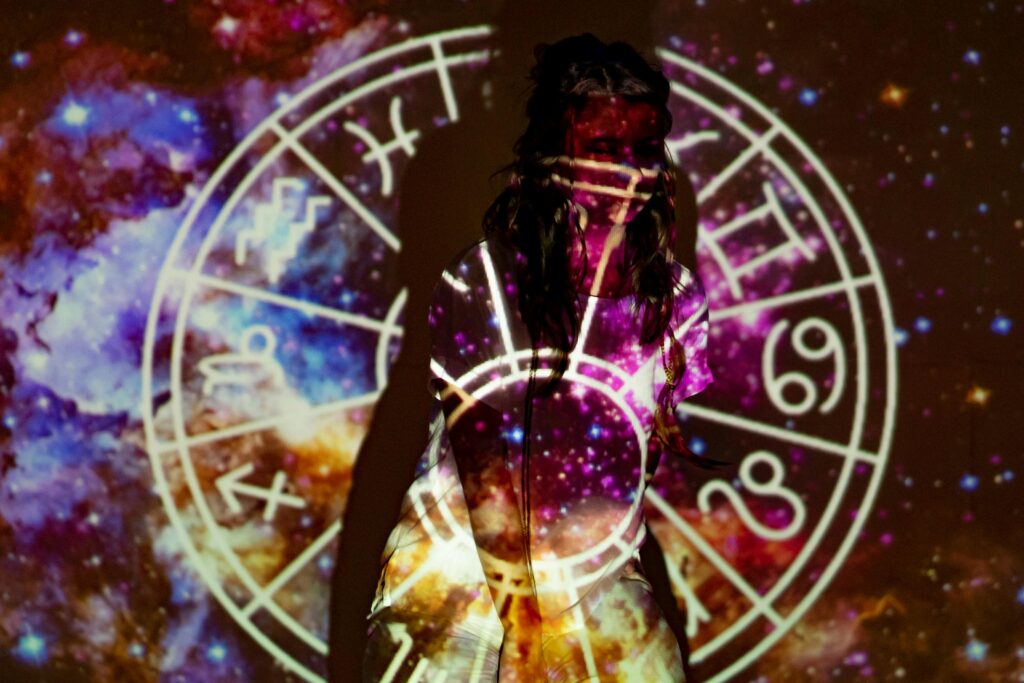
    Photo by Alesia Kozik

    Introduction

    The Western zodiac is one of the most enduring cultural frameworks in human history. Today, millions of people read horoscopes for guidance, personality insights, or entertainment. Yet behind the familiar twelve signs—Aries through Pisces—lies a story that stretches back thousands of years. The zodiac began as a practical tool for tracking time and seasons, evolved into a philosophical system of destiny, and eventually became a cultural phenomenon. Understanding its history reveals how astronomy, mythology, and human imagination shaped the zodiac we know today.

    Babylonian Beginnings

    The origins of the zodiac can be traced to Babylonian astronomy around 1000 BCE. The Babylonians divided the sky into twelve equal sections along the ecliptic—the apparent path of the sun across the heavens. Each section corresponded to a constellation, forming the basis of the twelve zodiac signs.

    Initially, the zodiac was not about personality or fate. It was a calendar system, used to track agricultural cycles, religious festivals, and seasonal changes. By observing the stars, Babylonians could predict floods, planting seasons, and celestial events. The zodiac was a tool of survival, linking human life to cosmic order.

    Egyptian and Greek Transformations

    The zodiac spread from Babylon to Egypt, where it merged with local religious traditions. Egyptian priests used star charts for rituals and temple alignments, reinforcing the idea that the heavens influenced earthly life.

    The Greeks, during the Hellenistic period (3rd–1st century BCE), transformed the zodiac into a system of astrological interpretation. Greek philosophers and astronomers, fascinated by cosmic harmony, linked zodiac signs to personality traits and destiny. They believed the stars reflected the order of the universe, and by studying them, humans could understand themselves.

    This was the birth of astrology as we know it: the idea that zodiac signs reveal character and influence fate.

    Ptolemy and the Tetrabiblos

    In the 2nd century CE, the Greek scholar Claudius Ptolemy wrote Tetrabiblos, a foundational text of Western astrology. Ptolemy systematized zodiac signs, planetary influences, and aspects, creating a framework that endured for centuries.

    His work distinguished astrology from astronomy, though in antiquity the two were closely connected. For Ptolemy, the zodiac was not superstition but a rational system, reflecting cosmic order. The twelve signs became archetypes of human personality, each linked to planetary rulers and elemental qualities.

    Astrology in the Middle Ages

    During the Middle Ages, astrology flourished in Europe. Scholars studied astrological charts alongside medicine and philosophy. Kings and rulers consulted astrologers for guidance, believing the stars could predict wars, harvests, and political fortunes.

    Universities taught astrology as part of the curriculum, reflecting its perceived scientific value. Physicians used zodiac charts to determine the best times for treatments, linking health to celestial cycles. Astrology was not fringe—it was mainstream knowledge.

    Renaissance Revival and Enlightenment Skepticism

    The Renaissance revived interest in astrology, blending it with art, literature, and humanist philosophy. Artists painted zodiac symbols in cathedrals, and writers referenced astrological archetypes in plays and poetry. Astrology became part of cultural expression, not just scholarly practice.

    However, during the Enlightenment (17th–18th centuries), astrology faced skepticism. Science advanced, astronomy separated from astrology, and rational thinkers dismissed horoscopes as superstition. Yet astrology persisted in popular culture, especially in almanacs and personal readings.

    Modern Astrology and Psychology

    In the 20th century, astrology experienced a revival, influenced by psychology. Thinkers like Carl Jung explored archetypes and synchronicity, linking zodiac signs to personality and self‑understanding. Jung saw astrology as symbolic, reflecting inner patterns rather than literal fate.

    Today, the Western zodiac is widely used for horoscopes, personality insights, and cultural identity. While modern science does not validate astrology, millions find meaning in its symbols. The zodiac endures because it speaks to universal human desires: to understand ourselves, to find patterns in chaos, and to connect with the cosmos.

    The Twelve Signs and Their Traits

    Each zodiac sign carries archetypal qualities:

    • Aries: Bold, energetic, pioneering.
    • Taurus: Steadfast, practical, sensual.
    • Gemini: Curious, adaptable, communicative.
    • Cancer: Nurturing, emotional, protective.
    • Leo: Charismatic, confident, creative.
    • Virgo: Analytical, precise, service‑oriented.
    • Libra: Harmonious, diplomatic, fair.
    • Scorpio: Intense, passionate, transformative.
    • Sagittarius: Adventurous, philosophical, optimistic.
    • Capricorn: Ambitious, disciplined, pragmatic.
    • Aquarius: Innovative, independent, humanitarian.
    • Pisces: Intuitive, compassionate, artistic.

    These traits are cultural archetypes, not scientific facts, but they continue to inspire reflection and storytelling.

    Conclusion

    The Western zodiac is a cultural tapestry woven from Babylonian astronomy, Egyptian mysticism, Greek philosophy, and Roman scholarship. Over 2,000 years, it evolved from a practical calendar into a symbolic system of personality and destiny. While modern science separates astronomy from astrology, the zodiac endures as a powerful cultural framework—guiding reflection, identity, and storytelling across the world.

    Its history reminds us that humans have always looked to the stars for meaning. Whether as farmers tracking seasons, philosophers seeking cosmic harmony, or modern readers exploring horoscopes, the zodiac connects us to the timeless rhythm of the universe.

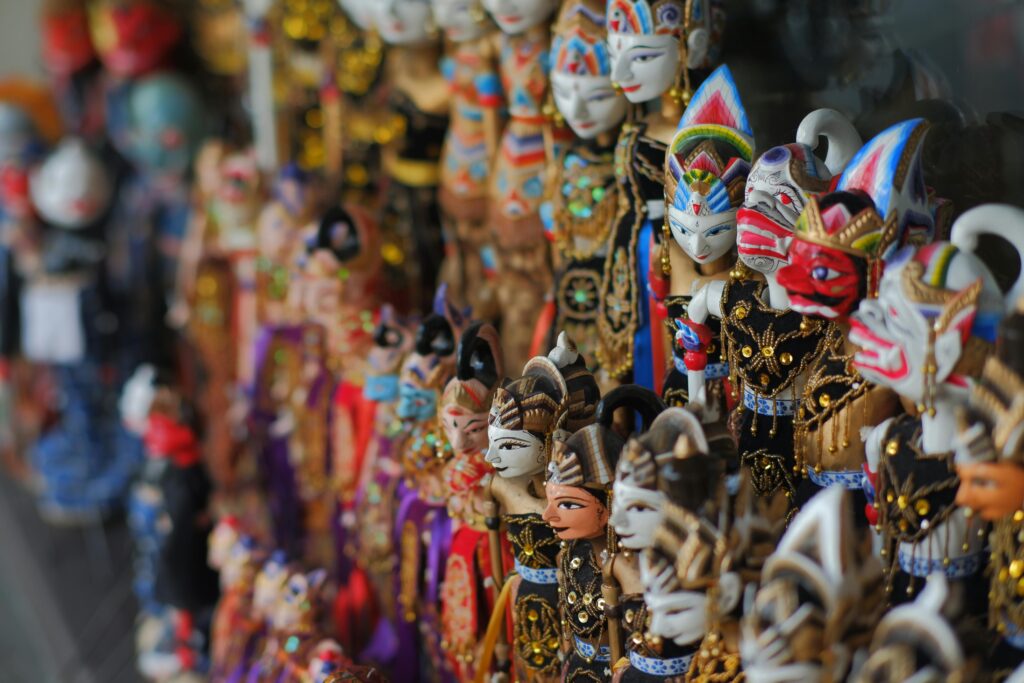
  • The Javanese Calendar Days: History, Luck, and Life

    Photo by Nurul Sakinah Ridwan

    Introduction

    The Javanese calendar is one of the most fascinating cultural systems in Indonesia. Unlike the Gregorian calendar, which simply counts days in a linear fashion, the Javanese calendar blends Hindu‑Buddhist traditions, Islamic lunar cycles, and indigenous animist beliefs into a unique rhythm of time. At its core lies the five‑day Pasaran cycle—Legi, Pahing, Pon, Wage, and Kliwon—which, when combined with the seven‑day week, creates a 35‑day weton cycle. For centuries, Javanese people have believed that these cycles influence a person’s luck, destiny, and even their spiritual path.

    Historical Roots of the Javanese Calendar

    The Javanese calendar was formalized in the 17th century by Sultan Agung of Mataram, who sought to unify his people under a system that respected both Islamic and local traditions. He merged the Islamic lunar calendar with the older Hindu‑Buddhist Saka calendar, while preserving indigenous cycles like the Pasaran. This synthesis reflected Java’s layered cultural identity: a land where religion, philosophy, and local wisdom coexisted.

    The Pasaran days themselves predate Sultan Agung’s reforms. They were used in markets (pasar) to schedule trading days, ensuring balance and fairness. Over time, these days took on spiritual meaning, becoming markers of personality, fortune, and cosmic harmony.

    The Five Pasaran Days and Their Symbolism

    Each Pasaran day carries distinct energy, shaping how people perceive luck and life:

    • Legi → Sweetness, harmony, peace. People born on Legi are thought to be gentle, diplomatic, and blessed with good fortune in relationships.
    • Pahing → Strength, intensity, ambition. Those born on Pahing often show leadership qualities but must guard against conflict.
    • Pon → Balance, stability, prosperity. Pon births are associated with financial luck and steady progress.
    • Wage → Simplicity, humility, patience. Wage individuals succeed through endurance and modesty.
    • Kliwon → Mysticism, spirituality, intuition. Kliwon is considered the most powerful day, linked to spiritual insight and hidden strength.

    These qualities are not rigid rules but cultural archetypes, guiding people in self‑reflection and decision‑making.

    Weton: The Fusion of Seven and Five

    The true depth of the Javanese calendar emerges in the weton system, which combines the seven‑day week (Senin–Minggu) with the five Pasaran days. This creates a 35‑day cycle where each combination is unique. A person’s weton birth day is believed to shape their destiny, personality, and compatibility with others.

    For example:

    • A child born on Friday Kliwon may be seen as spiritually gifted but burdened with responsibilities.
    • Someone born on Monday Legi may be considered harmonious and well‑suited for leadership in community life.

    Families often consult weton calculations for marriages, business openings, and ceremonies, ensuring that the chosen day aligns with favorable cosmic energies.

    Impact on Luck and Life

    The Javanese belief in calendar days is not superstition alone—it reflects a worldview where time and destiny are interconnected. Key impacts include:

    1. Marriage Compatibility
      Weton matching is used to determine whether two people’s energies will harmonize. Certain combinations are believed to bring prosperity, while others may invite conflict.
    2. Business and Ceremonies
      Entrepreneurs and families choose auspicious weton days to start ventures, hold weddings, or conduct rituals. A favorable day is thought to enhance success and reduce obstacles.
    3. Personal Reflection
      Individuals use their weton to understand strengths and weaknesses. For example, a Wage birth may remind someone to embrace patience, while a Pahing birth encourages ambition but warns against arrogance.

    Cultural Significance

    The Javanese calendar reflects a philosophy where time is cyclical, not linear. Life is seen as a series of repeating patterns, each offering opportunities for growth and balance. This worldview emphasizes harmony with nature, ancestors, and the divine.

    Even today, many Javanese families consult weton for important decisions, blending tradition with modern life. The persistence of this belief shows how cultural identity remains strong, offering guidance in an era of rapid change.

    Risks and Modern Perspective

    While weton and Pasaran beliefs are culturally rich, they are not scientific predictions. Over‑reliance can limit personal choices—for example, rejecting marriage purely on weton mismatch. The modern approach is to honor tradition while balancing it with rational decision‑making. Many Javanese today see weton as a tool for reflection rather than strict destiny.

    Conclusion

    The Javanese calendar days are more than markers of time—they are symbols of destiny, luck, and cultural identity. Rooted in centuries of history, they continue to guide personal and communal life in Java. By understanding the Pasaran cycle and weton system, one gains insight into how the Javanese people perceive harmony between the cosmos and human existence.

    Cap Go Meh may close the Chinese New Year, but in Java, the rhythm of life continues through the Pasaran cycle, reminding us that fortune is not random—it is woven into the fabric of time, culture, and belief.

    Read next:
    Understanding Javanese Pasaran the Five Day Cycle of the Javanese Calendar

    Check out here to know your Pasaran day.

  • Cap Go Meh, the Chinese Zodiac, and the Five Elements: A Journey of Culture and Balance

    Photo by Min An

    Introduction

    Cap Go Meh, celebrated on the fifteenth day after Lunar New Year, is one of the most vibrant and meaningful festivals in Chinese culture. Known as the Lantern Festival in many regions, it marks the grand closing of the Spring Festival period. Streets glow with lanterns, families gather for meals, and communities come alive with dragon dances, lion performances, and offerings to ancestors. Yet beyond the spectacle, Cap Go Meh is deeply tied to philosophy and tradition. It connects with the Chinese Zodiac and the Five Elements theory, offering insights into destiny, personality, and balance. Together, these traditions remind us that life is cyclical, interconnected, and enriched by harmony.

    Cap Go Meh: The Festival of Light and Renewal

    Cap Go Meh literally means “fifteenth night” in Hokkien, signifying the fifteenth day of the first lunar month. It is a time of joy, gratitude, and renewal. Lanterns symbolize brightness and guidance, illuminating the path for the year ahead. In some communities, riddles are written on lanterns, encouraging wisdom and playfulness. Traditional foods like tangyuan (sweet glutinous rice balls) represent unity and family bonds, as their round shape symbolizes completeness.

    The festival is also a spiritual moment. Families honor ancestors, pray for prosperity, and seek blessings for health and harmony. In Indonesia, Cap Go Meh has evolved into a multicultural celebration, blending Chinese traditions with local flavors, making it a symbol of diversity and unity.

    The Chinese Zodiac: Twelve Animals of Destiny

    At the heart of Chinese tradition lies the Zodiac, a twelve‑year cycle represented by animals: Rat, Ox, Tiger, Rabbit, Dragon, Snake, Horse, Goat, Monkey, Rooster, Dog, and Pig. Each year carries the traits of its zodiac animal, influencing personality, destiny, and even collective energy.

    • Rat: Clever, resourceful, adaptable.
    • Ox: Strong, reliable, hardworking.
    • Tiger: Brave, ambitious, passionate.
    • Rabbit: Gentle, peaceful, artistic.
    • Dragon: Bold, transformative, visionary.
    • Snake: Wise, intuitive, mysterious.
    • Horse: Energetic, free‑spirited, adventurous.
    • Goat: Kind, creative, empathetic.
    • Monkey: Playful, inventive, witty.
    • Rooster: Confident, precise, disciplined.
    • Dog: Loyal, honest, protective.
    • Pig: Generous, warm‑hearted, optimistic.

    During Cap Go Meh, families reflect on these zodiac influences, aligning their hopes and rituals with the qualities of the year. For example, in a Dragon year, communities may emphasize boldness and transformation, while a Rabbit year encourages peace and reflection.

    The Five Elements: Wood, Fire, Earth, Metal, Water

    Complementing the Zodiac is the Five Elements theory (Wu Xing), a cornerstone of Chinese philosophy. These elements—Wood, Fire, Earth, Metal, and Water—interact dynamically to shape fortune, personality, and balance.

    • Wood: Growth, creativity, expansion.
    • Fire: Passion, energy, transformation.
    • Earth: Stability, nourishment, grounding.
    • Metal: Strength, discipline, clarity.
    • Water: Wisdom, adaptability, renewal.

    Each zodiac sign is linked to an element, creating unique combinations. For instance, a Wood Dragon differs from a Fire Dragon in temperament and destiny. The elements also interact in cycles of creation and destruction: Wood feeds Fire, Fire creates Earth (ash), Earth bears Metal, Metal enriches Water, and Water nourishes Wood. Understanding these cycles helps people harmonize their lives, balancing strengths and weaknesses.

    Cap Go Meh as a Fusion of Zodiac and Elements

    Cap Go Meh becomes more than a festival of lanterns when viewed through the lens of the Zodiac and Five Elements. Lanterns symbolize Fire, illuminating passion and transformation. Offerings of rice and fruit connect to Earth, grounding families in nourishment and stability. Flowing water in rituals represents renewal and adaptability. Even the metallic clang of cymbals in lion dances reflects Metal’s strength and clarity.

    By aligning the festival’s symbols with the Zodiac and elements, communities celebrate not only cultural heritage but also philosophical wisdom. It becomes a ritual of balance—honoring ancestors, embracing destiny, and harmonizing with nature’s cycles.

    Practical Insights for Daily Life

    The beauty of these traditions lies in their practicality. Here are ways to apply them:

    1. Know Your Zodiac Animal: Reflect on your strengths and challenges. Use Cap Go Meh as a reminder to embrace your traits while balancing weaknesses.
    2. Understand Your Element: Identify your element and how it interacts with others. For example, if you are a Water sign, focus on adaptability and wisdom, but balance it with grounding Earth activities.
    3. Celebrate Cycles: Recognize that life has highs and lows. Cap Go Meh teaches us to honor endings and beginnings, just as biorhythms remind us of energy cycles.
    4. Create Balance: Use the festival’s symbols—lanterns, food, music—as reminders to balance passion, stability, creativity, and wisdom in daily life.

    Conclusion

    Cap Go Meh is more than a festive ending to Lunar New Year—it is a cultural synthesis of tradition and philosophy. By honoring the Chinese Zodiac and the Five Elements, communities celebrate not only blessings for the year ahead but also timeless wisdom about balance and harmony. The festival reminds us that destiny is shaped by cycles, that personality is enriched by elements, and that confidence grows when we live in rhythm with nature and tradition.

    As lanterns glow and families gather, Cap Go Meh becomes a living symbol of unity, renewal, and balance—a reminder that culture and philosophy can guide us toward a brighter, more harmonious future.

    Read next:
    Understanding Chinese Zodiac Shio

  • Zodiac Meets Biorhythm: A Fusion of Science and Tradition

    Photo by Mikhail Nilov

    Introduction

    Human life is shaped by cycles—some rooted in biology, others in culture and tradition. On one side, science recognizes biorhythms, natural patterns that influence our physical energy, emotional balance, and intellectual focus. On the other, astrology and cultural systems like the Zodiac, Chinese Shio, and Javanese Pasaran days offer symbolic insights into personality and timing. When combined, these perspectives create a powerful framework for understanding ourselves and boosting daily confidence.

    The Science of Biorhythms

    Biorhythm theory suggests that our lives follow three repeating cycles:

    • Physical (23 days) → strength, stamina, coordination
    • Emotional (28 days) → mood, sensitivity, creativity
    • Intellectual (33 days) → memory, logic, problem‑solving

    Though the fixed cycles are debated scientifically, the broader truth remains: our energy and focus fluctuate in predictable patterns. Recognizing these rhythms helps us plan tasks more effectively, aligning effort with natural highs and conserving energy during lows.

    Zodiac Traits and Daily Rhythms

    Astrology’s Zodiac signs describe personality tendencies—Aries is bold, Virgo is precise, Pisces is intuitive. When paired with biorhythm cycles, these traits gain practical timing. For example:

    • An Aries on a high physical cycle may excel in sports or leadership tasks.
    • A Virgo on a strong intellectual cycle can tackle complex analysis with clarity.
    • A Pisces on an emotional high may find inspiration for art or deep connections.

    This fusion allows individuals to not only understand their inherent strengths but also know when to act on them.

    Chinese Shio and Javanese Pasaran Days

    The Chinese Shio (12‑year animal cycle) and Javanese Pasaran days (five‑day cycle: Legi, Pahing, Pon, Wage, Kliwon) add cultural depth to daily planning. Shio reflects long‑term personality tendencies, while Pasaran days traditionally guide decisions, ceremonies, and social interactions. When combined with biorhythm scores, they provide a unique blend of science and tradition—helping people choose the right timing for important events or personal growth.

    Practical Confidence Tips

    • Check your biorhythm score daily to see where your energy lies.
    • Overlay your Zodiac traits to focus on strengths that match your cycle.
    • Use Shio and Pasaran wisdom to choose favorable days for decisions or connections.
    • Respect low cycles by resting, reflecting, or focusing on small wins.

    Confidence grows when you act in harmony with both your natural rhythms and cultural wisdom.

    Conclusion

    Biorhythms remind us that life is cyclical, while Zodiac, Shio, and Pasaran traditions enrich those cycles with meaning. Together, they form a holistic guide—scientific and symbolic—for navigating daily life. By aligning your actions with these rhythms, you can boost confidence, reduce stress, and make smarter choices in love, work, and personal growth.

    "Wondering how to use your biorhythm for confidence? This daily rhythm planning guide explains how zodiac traits align with biorhythm cycles and how Chinese shio and Javanese pasaran days add cultural wisdom."