
Articles

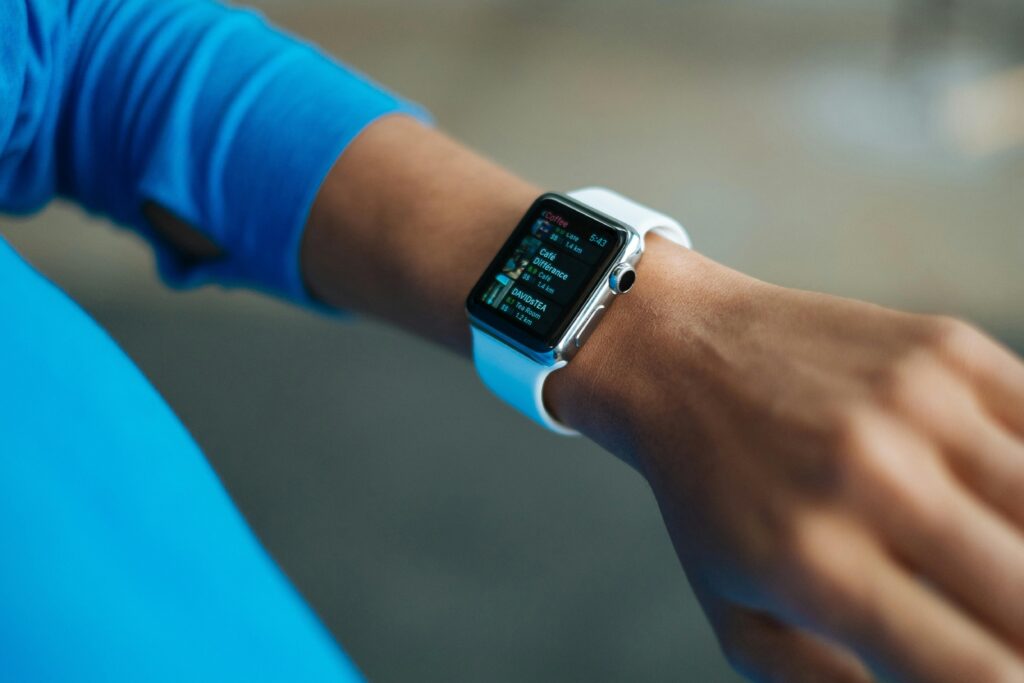
  • Daily Confidence Boost: How to Use Your Biorhythm

    Photo by ClickerHappy

    Introduction

    Every day feels different—sometimes you wake up energized and ready to conquer the world, while other times even simple tasks feel heavy. Science tells us this isn’t random: our bodies and minds move in natural cycles called biorhythms. By learning how to read and use these rhythms, you can plan your day more wisely, avoid unnecessary stress, and build lasting confidence.

    What Are Biorhythms?

    Biorhythms are repeating patterns that influence your physical energy, emotional balance, and intellectual focus. The theory suggests three main cycles:

    • Physical (23 days): Governs strength, stamina, and coordination.
    • Emotional (28 days): Shapes mood, sensitivity, and creativity.
    • Intellectual (33 days): Affects memory, logic, and problem‑solving.

    When these cycles are in a “high” phase, you’re naturally more capable. When they dip, you may feel drained or unfocused. Recognizing these patterns helps you align your activities with your natural strengths.

    How to Read Your Daily Score

    A biorhythm chart or calculator gives you a score that reflects where your cycles are today. Here’s how to interpret it:

    • High scores (70–100) → Great day for big tasks, bold decisions, and creative breakthroughs.
    • Mid scores (50–69) → Stick to steady routines and reliable work.
    • Low scores (0–49) → Focus on rest, reflection, and small wins.

    Instead of fighting against your energy, you learn to work with it. This reduces frustration and builds confidence because you’re always playing to your strengths.

    Practical Tips to Boost Confidence

    1. Plan Big Tasks on High Days
      Schedule presentations, workouts, or creative projects when your physical or intellectual cycles are strong.
    2. Use Low Days for Reflection
      Journal, meditate, or do light planning. Confidence grows when you respect your limits.
    3. Balance Emotionally
      On emotional highs, connect with people and share ideas. On lows, give yourself space and avoid high‑pressure decisions.

    Conclusion

    Confidence isn’t about being strong every single day—it’s about knowing when to push forward and when to recharge. By using your biorhythm as a guide, you can make smarter choices, reduce stress, and feel more in control of your life. Combine this with insights from your zodiac, Chinese shio, and Javanese pasaran day, and you’ll have a powerful toolkit for personal growth and daily success.

    "Wondering how to use your biorhythm for confidence? This daily rhythm planning guide explains how zodiac traits align with biorhythm cycles and how Chinese shio and Javanese pasaran days add cultural wisdom."
    
    Read more...

  • Our daily performance is strongly influenced by biological rhythms

    Photo by RUN 4 FFWPU

    Our daily performance is strongly influenced by biological rhythms, particularly the circadian rhythm. These rhythms regulate energy, mood, and mental abilities through hormonal cycles—cortisol rises in the morning to boost wakefulness, while melatonin increases at night to prepare for sleep. Chronobiology, the science of biological rhythms, has shown how sunlight and the alternation of light and darkness synchronize our internal clock, shaping when we feel most alert or fatigued.

    By observing personal patterns over a week—such as when energy peaks, creativity flows, or fatigue sets in—we can better align tasks with our natural strengths. Scheduling demanding activities like problem-solving or creative work during high-energy phases, and leaving routine or administrative tasks for lower-energy times, helps prevent burnout and improves productivity.

    Practical habits to reinforce healthy rhythms: morning exposure to natural light, fresh air breaks, reducing bright screens in the evening, and even light therapy when sunlight is lacking. By respecting these cycles, individuals can enhance concentration, sleep quality, and overall well-being, ultimately finding more harmony in daily life.

    "Discover your daily biorhythm calculator, zodiac insights, Chinese shio meaning, and Javanese pasaran day guide to boost confidence and plan smarter."
    
    Read more...

    Read next:
    Zodiac Meets Biorhythm a Fusion of Science and Tradition

    Read more from the source.

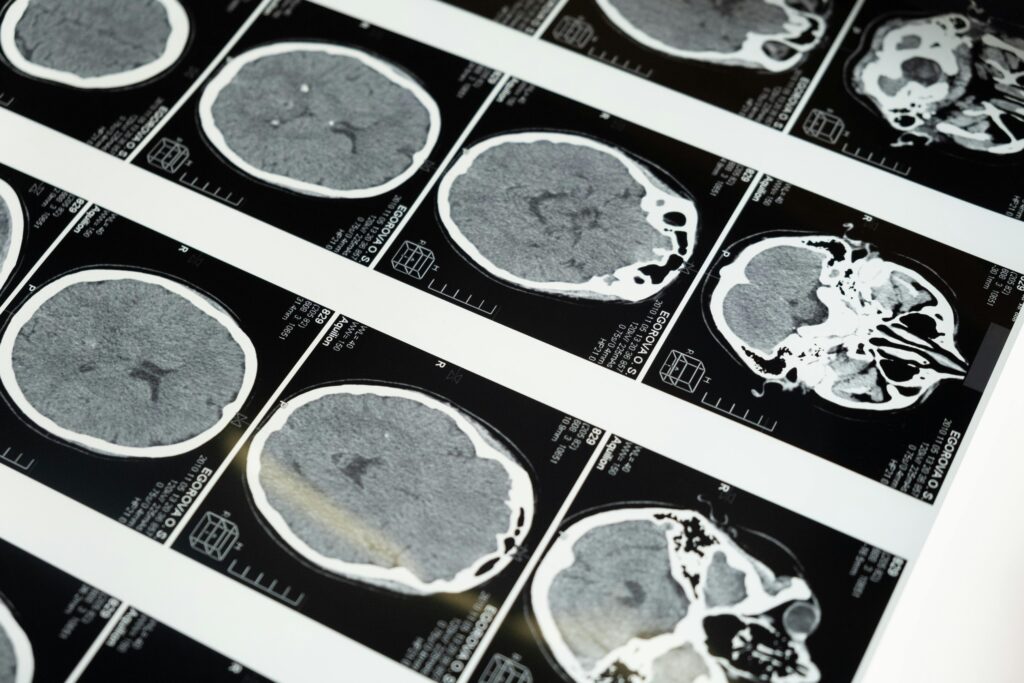
  • Biorythm and brain dysfunction

    Photo by cottonbro studio

    Healthy sleep is extremely important for adequate human functioning. Despite the high prevalence of sleep problems in children, little is known about its effects on neurocognition and the options for treatment.

    The current research projects focus on the impact of a reduction of sleep quantity and quality on neurocognitive functioning in children and, specifically, in particularly in children whose development is seriously challenged in the context of neurodevelopmental disorders such as ADHD or autism. Furthermore, short- and long term efficacy and safety of novel treatment options such as melatonin treatment or bright light therapy are investigated.

    Wondering how to use your biorhythm for confidence? This daily rhythm planning guide explains how zodiac traits align with biorhythm cycles and how Chinese shio and Javanese pasaran days add cultural wisdom.

    Read more from the source.

  • Understanding Javanese Pasaran: The Five-Day Cycle of the Javanese Calendar

    Photo by Pixabay

    The Javanese calendar is a unique cultural system that blends elements of Hindu, Islamic, and local traditions. While most people are familiar with the seven-day week, the Javanese calendar adds another rhythm: the Pasaran cycle, a five-day sequence that runs alongside the regular week. This cycle is central to Javanese spiritual life, divination, and cultural identity.

    The Five Pasaran Days

    The Pasaran cycle consists of five sacred days, each carrying its own symbolic energy:

    Pasaran DayMeaning & Associations
    LegiSweetness, harmony, prosperity
    PahingStrength, vitality, assertiveness
    PonBalance, stability, patience
    WageSimplicity, humility, modesty
    KliwonMystery, spirituality, transformation

    How Pasaran Works

    • Parallel to the week: Pasaran runs alongside the seven-day week, creating combinations known as weton (weekday + pasaran).
    • Cultural use: Weton is used in Javanese astrology, naming ceremonies, marriage compatibility checks, and choosing auspicious dates.
    • Spiritual rhythm: Each pasaran day is believed to influence personality traits and destiny, much like the Chinese zodiac.

    Cultural Significance

    • Daily life: Farmers traditionally used pasaran cycles to schedule markets, hence the name “pasar-an” (related to “pasar,” meaning market).
    • Divination: Javanese spiritual practitioners consult weton to determine favorable days for important events.
    • Special combinations: Certain pairings, like Jumat Kliwon (Friday + Kliwon), are considered highly mystical and are often associated with rituals or heightened spiritual energy.

    Why It Matters Today

    In Indonesia, the Javanese calendar and pasaran cycle remain alive in cultural practices, ceremonies, and spiritual traditions. For many, it is a way of staying connected to ancestral wisdom and maintaining balance in modern life.

    Wondering how to use your biorhythm for confidence? This daily rhythm planning guide explains how zodiac traits align with biorhythm cycles and how Chinese shio and Javanese pasaran days add cultural wisdom.

    “Wondering how to use your biorhythm for confidence? This daily rhythm planning guide explains how zodiac traits align with biorhythm cycles and how Chinese shio and Javanese pasaran days add cultural wisdom.”

    Read more…

  • Understanding the Chinese Zodiac (Shio): A Guide to the 12 Animal Signs

    Photo by Enam Sape

    The Chinese zodiac, or shio, is one of the most fascinating traditions in Chinese culture. It is a system that assigns an animal sign to each year in a repeating 12-year cycle, and many believe these signs influence personality, destiny, and even compatibility in relationships.

    The 12 Zodiac Animals

    The cycle consists of twelve animals, each with its own symbolic meaning:

    OrderAnimalTraits Often Associated
    1RatClever, resourceful, adaptable
    2OxStrong, reliable, hardworking
    3TigerBrave, confident, competitive
    4RabbitGentle, elegant, compassionate
    5DragonAmbitious, charismatic, powerful
    6SnakeWise, mysterious, intuitive
    7HorseEnergetic, independent, adventurous
    8GoatKind, artistic, empathetic
    9MonkeyPlayful, curious, inventive
    10RoosterHonest, punctual, confident
    11DogLoyal, protective, sincere
    12PigGenerous, easygoing, tolerant


    How It Works

    • Cycle length: 12 years, each ruled by one animal.
    • Calendar basis: The zodiac follows the Chinese lunar calendar, so the zodiac year begins at Chinese New Year (January/February), not January 1.
    • Elements: Each animal is paired with one of the five elements (Wood, Fire, Earth, Metal, Water), creating a larger 60-year cycle.
    • Influence: Traditionally, people consult their shio for guidance on personality, career, health, and love compatibility.
      Cultural Significance
      The zodiac is deeply woven into Chinese traditions:
    • Festivals: During Chinese New Year, decorations often feature the zodiac animal of the year.
    • Horoscopes: Many believe their shio influences luck and fortune in the coming year.
    • Compatibility: Some families even consider zodiac signs when arranging marriages or partnerships.
      Example: Year of the Horse (2026)
      The upcoming year, 2026, is the Year of the Horse, beginning on February 17, 2026 and ending on February 5, 2027. People born under the Horse sign are thought to be energetic, free-spirited, and adventurous. This year is often seen as favorable for bold moves and new beginnings.

    Sources

    “Many people ask: How can I use biorhythm for confidence? The answer is simple—plan your high‑energy days for bold tasks and use low‑energy days for reflection.”
    
    Read more...
  • Biorhythms derived from consumer wearables predict postoperative complications in children

    Photo by Pixabay

    Abstract: Postoperative complications pose substantial health risks to children who undergo surgery, yet timely detection of complications after discharge is challenging due to reliance on subjective symptom reports from children and caregivers.

    Alternatively, wearable devices can provide objective health measurements for continuous recovery monitoring, potentially enabling earlier complication detection in the hospital or community.

    This study examined biorhythm-based metrics (circadian and ultradian rhythms, derived from the daily activity and heart rate patterns recorded by a consumer wearable) and their relationship to postoperative recovery in children with and without complications. Wearables were given to 103 children for 21 days immediately after appendectomy, and biorhythm metrics were extracted from per-minute data.

    “Many people ask: How can I use biorhythm for confidence? The answer is simple—plan your high‑energy days for bold tasks and use low‑energy days for reflection.”

    A machine-learned model using these metrics retrospectively predicted postoperative complications up to 3 days before formal diagnosis with 91% sensitivity and 74% specificity. Our findings suggest that wearable-derived biorhythms offer a promising, unobtrusive method for evaluating postoperative recovery. This approach has broad clinical implications for pediatric health monitoring across various care settings.

    Source: Science Advance

    “Wondering how to use your biorhythm for confidence? This daily rhythm planning guide explains how zodiac traits align with biorhythm cycles and how Chinese shio and Javanese pasaran days add cultural wisdom.”

    Read more…

  • What Is Biorhythm?

    Photo by Snapwire

    Introduction

    The term biorhythm comes from the Greek words bios (life) and rhythmos (regular motion). It describes the concept that our bodies and minds follow predictable cycles that affect our energy, emotions, and intellectual performance. These cycles are thought to shape how we feel and function on any given day.

    The Scientific Basis: Biological Rhythms

    In biology, rhythms are well-documented phenomena. All living organisms respond to cycles such as:

    • Circadian rhythms: 24-hour cycles tied to day and night, influencing sleep, hormone release, and alertness.
    • Ultradian rhythms: Shorter cycles under 24 hours, like stages of sleep.
    • Infradian rhythms: Longer cycles, such as the monthly menstrual cycle.
    • Circannual rhythms: Yearly cycles, like seasonal changes in mood or behavior.

    These rhythms are regulated by internal biological clocks and external cues like sunlight and temperature.

    The Biorhythm Theory

    Beyond scientific rhythms, the biorhythm theory emerged in the late 19th century, popularized in the 1970s. It claims that human performance is governed by three fixed cycles:

    • Physical cycle (23 days): Governs strength, coordination, and energy.
    • Emotional cycle (28 days): Influences mood, sensitivity, and creativity.
    • Intellectual cycle (33 days): Affects memory, logic, and analytical ability.

    According to this theory, each cycle oscillates between “high” and “low” phases. When multiple cycles are in a low phase simultaneously, a person may feel less capable or more vulnerable.

    Applications and Popularity

    • Personal Use: People use biorhythm charts to predict “good” and “bad” days for decision-making, sports, or relationships.
    • Pop Culture: Biorhythm calculators became popular in the 1970s and 1980s, often appearing in magazines and early computer programs.
    • Modern Tools: Today, online calculators and apps allow users to generate personalized biorhythm charts based on their birth date.

    Criticism and Scientific View

    • Lack of Evidence: Controlled studies have not confirmed that fixed 23-, 28-, or 33-day cycles influence human performance.
    • Pseudoscience Label: The theory is widely regarded as pseudoscience because it lacks empirical support.
    • Real Rhythms vs. Biorhythms: While circadian and other biological rhythms are scientifically valid, the specific biorhythm cycles are not recognized in medical science.

    Conclusion

    Biorhythm is a fascinating blend of science and pseudoscience. On one hand, it reflects the undeniable truth that life is rhythmic—our bodies and minds respond to cycles of day, month, and year. On the other hand, the fixed cycles proposed by biorhythm theory remain unproven.

    For enthusiasts, biorhythms can be a fun way to reflect on daily fluctuations in mood and energy. For scientists, they serve as a reminder to distinguish between evidence-based biological rhythms and unverified theories.

    Wondering how to use your biorhythm for confidence? This daily rhythm planning guide explains how zodiac traits align with biorhythm cycles and how Chinese shio and Javanese pasaran days add cultural wisdom.

    "Wondering how to use your biorhythm for confidence? This daily rhythm planning guide explains how zodiac traits align with biorhythm cycles and how Chinese shio and Javanese pasaran days add cultural wisdom."
    
    Read more...