Introduction
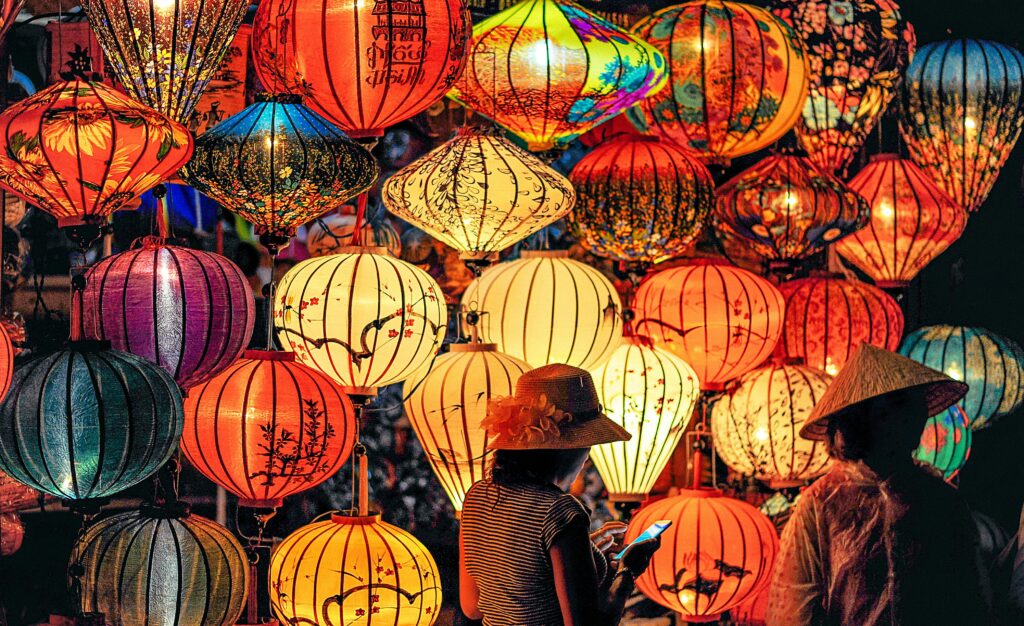
Cap Go Meh, celebrated on the fifteenth day after Lunar New Year, is one of the most vibrant and meaningful festivals in Chinese culture. Known as the Lantern Festival in many regions, it marks the grand closing of the Spring Festival period. Streets glow with lanterns, families gather for meals, and communities come alive with dragon dances, lion performances, and offerings to ancestors. Yet beyond the spectacle, Cap Go Meh is deeply tied to philosophy and tradition. It connects with the Chinese Zodiac and the Five Elements theory, offering insights into destiny, personality, and balance. Together, these traditions remind us that life is cyclical, interconnected, and enriched by harmony.
Cap Go Meh: The Festival of Light and Renewal
Cap Go Meh literally means “fifteenth night” in Hokkien, signifying the fifteenth day of the first lunar month. It is a time of joy, gratitude, and renewal. Lanterns symbolize brightness and guidance, illuminating the path for the year ahead. In some communities, riddles are written on lanterns, encouraging wisdom and playfulness. Traditional foods like tangyuan (sweet glutinous rice balls) represent unity and family bonds, as their round shape symbolizes completeness.
The festival is also a spiritual moment. Families honor ancestors, pray for prosperity, and seek blessings for health and harmony. In Indonesia, Cap Go Meh has evolved into a multicultural celebration, blending Chinese traditions with local flavors, making it a symbol of diversity and unity.
The Chinese Zodiac: Twelve Animals of Destiny
At the heart of Chinese tradition lies the Zodiac, a twelve‑year cycle represented by animals: Rat, Ox, Tiger, Rabbit, Dragon, Snake, Horse, Goat, Monkey, Rooster, Dog, and Pig. Each year carries the traits of its zodiac animal, influencing personality, destiny, and even collective energy.
- Rat: Clever, resourceful, adaptable.
- Ox: Strong, reliable, hardworking.
- Tiger: Brave, ambitious, passionate.
- Rabbit: Gentle, peaceful, artistic.
- Dragon: Bold, transformative, visionary.
- Snake: Wise, intuitive, mysterious.
- Horse: Energetic, free‑spirited, adventurous.
- Goat: Kind, creative, empathetic.
- Monkey: Playful, inventive, witty.
- Rooster: Confident, precise, disciplined.
- Dog: Loyal, honest, protective.
- Pig: Generous, warm‑hearted, optimistic.
During Cap Go Meh, families reflect on these zodiac influences, aligning their hopes and rituals with the qualities of the year. For example, in a Dragon year, communities may emphasize boldness and transformation, while a Rabbit year encourages peace and reflection.
The Five Elements: Wood, Fire, Earth, Metal, Water
Complementing the Zodiac is the Five Elements theory (Wu Xing), a cornerstone of Chinese philosophy. These elements—Wood, Fire, Earth, Metal, and Water—interact dynamically to shape fortune, personality, and balance.
- Wood: Growth, creativity, expansion.
- Fire: Passion, energy, transformation.
- Earth: Stability, nourishment, grounding.
- Metal: Strength, discipline, clarity.
- Water: Wisdom, adaptability, renewal.
Each zodiac sign is linked to an element, creating unique combinations. For instance, a Wood Dragon differs from a Fire Dragon in temperament and destiny. The elements also interact in cycles of creation and destruction: Wood feeds Fire, Fire creates Earth (ash), Earth bears Metal, Metal enriches Water, and Water nourishes Wood. Understanding these cycles helps people harmonize their lives, balancing strengths and weaknesses.
Cap Go Meh as a Fusion of Zodiac and Elements
Cap Go Meh becomes more than a festival of lanterns when viewed through the lens of the Zodiac and Five Elements. Lanterns symbolize Fire, illuminating passion and transformation. Offerings of rice and fruit connect to Earth, grounding families in nourishment and stability. Flowing water in rituals represents renewal and adaptability. Even the metallic clang of cymbals in lion dances reflects Metal’s strength and clarity.
By aligning the festival’s symbols with the Zodiac and elements, communities celebrate not only cultural heritage but also philosophical wisdom. It becomes a ritual of balance—honoring ancestors, embracing destiny, and harmonizing with nature’s cycles.
Practical Insights for Daily Life
The beauty of these traditions lies in their practicality. Here are ways to apply them:
- Know Your Zodiac Animal: Reflect on your strengths and challenges. Use Cap Go Meh as a reminder to embrace your traits while balancing weaknesses.
- Understand Your Element: Identify your element and how it interacts with others. For example, if you are a Water sign, focus on adaptability and wisdom, but balance it with grounding Earth activities.
- Celebrate Cycles: Recognize that life has highs and lows. Cap Go Meh teaches us to honor endings and beginnings, just as biorhythms remind us of energy cycles.
- Create Balance: Use the festival’s symbols—lanterns, food, music—as reminders to balance passion, stability, creativity, and wisdom in daily life.
Conclusion
Cap Go Meh is more than a festive ending to Lunar New Year—it is a cultural synthesis of tradition and philosophy. By honoring the Chinese Zodiac and the Five Elements, communities celebrate not only blessings for the year ahead but also timeless wisdom about balance and harmony. The festival reminds us that destiny is shaped by cycles, that personality is enriched by elements, and that confidence grows when we live in rhythm with nature and tradition.
As lanterns glow and families gather, Cap Go Meh becomes a living symbol of unity, renewal, and balance—a reminder that culture and philosophy can guide us toward a brighter, more harmonious future.
Leave a Reply