
Category: Articles

Your articles category

  • Honoring the Departed: A Guide to Cultural Memorial Days Around the World

    Photo by Owen Barker

    Grief is a universal human experience, but the way we process it, honor our loved ones, and mark the passage of time is deeply influenced by our culture and spirituality. Across the globe, various traditions have established specific timelines for mourning, remembrance, and the spiritual transition of the soul. These milestones provide a structured path for healing, ensuring that the departed are never forgotten and that the community continues to support the bereaved.

    If you have ever needed to calculate a specific memorial date—like the Javanese 40 days, the Buddhist 49 days, or a Catholic Novena—you know that the calendar math can quickly become complicated.

    In this article, we will explore the profound significance of these cultural memorial days and introduce a simple way to calculate them using our new Cultural Memorial Day Calculator.

    The Javanese Selamatan and the 1,000-Day Journey

    In Javanese and Indonesian culture, the process of mourning and remembering the dead is deeply intertwined with communal gatherings called Selamatan or Tahlilan. These gatherings blend local animist traditions with Islamic practices, creating a beautiful framework of community support and prayer for the departed soul.

    The Javanese tradition marks several key milestones after a passing:

    • 3 Days and 7 Days: The initial period where the soul is believed to still be near the home. Family and neighbors gather to pray for the soul’s peaceful transition.
    • 40 Days: A major milestone. It is traditionally believed that the soul finally severs its ties with the earthly realm on the 40th day. A significant gathering is held to guide the soul onward.
    • 100 Days: Another large communal prayer to perfect the soul’s journey.
    • Pendak 1 and Pendak 2 (1 and 2 Years): Interestingly, the Javanese calendar uses a lunar year of exactly 354 days. The Pendak 1 (first anniversary) and Pendak 2 (second anniversary) are calculated based on this lunar cycle, rather than the standard 365-day Gregorian calendar.
    • 1,000 Days (Nyewu): The final and most elaborate Selamatan. It marks the end of the formal mourning period. It is believed that the soul has fully integrated into the spiritual realm, and the family can officially conclude the ritual obligations.

    A crucial part of Javanese memorials is the Weton—the combination of the seven-day Gregorian week and the five-day Javanese Pasaran cycle (Legi, Pahing, Pon, Wage, Kliwon). Determining the exact Weton of a memorial day is essential for scheduling these sacred events.

    The Rhythmic Cycles of Balinese Hinduism

    Balinese culture utilizes an incredibly rich calendar system, governed by the 210-day Pawukon calendar and the lunar Saka calendar. Because of this, they observe very specific day intervals for both death memorials and significant life-cycle rites of passage (Manusa Yadnya).

    • 12 Days (Ngeroras or Nyekah): A highly significant post-cremation ceremony. Twelve days after the Ngaben (cremation), this final purification ritual is held before scattering the ashes into the sea to elevate the soul to the ancestral realm.
    • 42 Days (Tutug Kambuhan or Bulan Pitung Dina): This represents exactly one Balinese month (35 days) plus one 7-day week. While sometimes used in mourning cycles, it prominently marks the end of the initial purification period for a newborn baby and their mother.
    • 105 Days (Nyabutan or Telubulan): Exactly three 35-day Balinese months. This is a joyous milestone where a baby’s feet are allowed to touch the earth for the very first time.
    • 210 Days (Otonan): One complete Pawukon calendar year (6 months of 35 days). This marks a traditional Balinese birthday or anniversary, repeating every 210 days throughout a person’s life.

    The East Asian and Buddhist 49-Day Transition

    In many East Asian and Buddhist traditions, the period immediately following death is a critical time for the soul. According to traditional Buddhist beliefs, the soul does not reincarnate immediately. Instead, it enters an intermediate state known as the Bardo.

    This transition period lasts for a maximum of 49 days. It is divided into seven cycles of seven days. Every 7th day (the 7th, 14th, 21st, up to the 49th), the family holds a memorial service to generate positive karma and merit for the deceased, which is believed to help them secure a favorable rebirth.

    The 49th day (known as Zuo Qi in Chinese traditions or Shijukunichi in Japanese) is the most vital ceremony, marking the soul’s final judgment and rebirth. Many families also hold an additional memorial on the 100th day, which serves as a final major milestone to honor the deceased before the one-year anniversary.

    Catholic and Christian Memorial Milestones

    Christianity, particularly the Catholic and Eastern Orthodox traditions, also places heavy emphasis on specific numbers and dates following a passing.

    • 9 Days (The Novena): The number nine holds great spiritual significance, tracing back to the nine days the Apostles spent in prayer between the Ascension of Jesus and Pentecost. Many Catholic cultures observe a nine-day mourning and prayer period. In the Philippines, this is known as the Pasiyam.
    • 30 Days (The Month’s Mind): Particularly in Catholic traditions in the UK and Ireland, a “Month’s Mind” Mass is held roughly 30 days after a person’s death. It is an opportunity for those who could not attend the funeral to pay their respects.
    • 40 Days: Reflecting the 40 days Jesus walked the earth after his resurrection before ascending to heaven, the 40th-day memorial is widely observed in Eastern Orthodox Christianity. It is believed to be the day the soul is presented before God.

    Hindu and Jewish Mourning Periods

    Other ancient faiths utilize very specific timelines for mourning to ensure the psychological well-being of the living and the spiritual progression of the dead.

    • 13 Days (Hindu Terahvin): In Hinduism, particularly in North India, the 13th day after a death is called the Terahvin. It marks the end of the formal mourning period. A ceremony is held to help the soul sever its attachments to its previous life and physical body, allowing it to move on to the realm of the ancestors.
    • 7 and 30 Days (Jewish Shiva and Shloshim): Judaism outlines a highly structured mourning process. The first seven days are known as Shiva, a period of intense mourning where the immediate family stays at home. This is followed by Shloshim, a 30-day period where the bereaved slowly begin to re-enter society but refrain from joyous events. Finally, the Yahrzeit marks the one-year anniversary of the death.

    The Challenge of Calendar Calculations

    While the spiritual intent behind these dates is beautiful, the actual mathematics of scheduling them can be highly stressful for grieving families.

    Calculating 40, 100, or 1,000 days manually on a standard calendar involves accounting for different month lengths and leap years. Furthermore, if you need to find the Javanese Pasaran day, or calculate the exact 354-day lunar year for a Pendak ceremony, or navigate the 35-day Balinese months, the complexity multiplies. Families often have to consult religious leaders or download specialized apps just to figure out when to book a venue or invite guests.

    Introducing the Cultural Memorial Day Calculator

    To help families easily navigate these traditional milestones without the stress of manual calculations, we have developed the Cultural Memorial Day Calculator.

    Built directly into our Biorhythm and Astrology platform, this free, easy-to-use tool is designed to support all major global traditions in a single place.

    Here is how it works:

    1. Select the Base Date: Choose the date of the passing on our interactive calendar.
    2. Add the Days: Click on one of our convenient preset buttons. Whether you need the Catholic 9 days, the Balinese 12 days, the Hindu 13 days, the Jewish 30 days, the Buddhist 49 days, or the Javanese 1,000 days, we have you covered. You can also input any custom number.
    3. Get Your Target Date: Instantly see the exact target date of the memorial.

    To provide an even deeper, more holistic view of the day’s energy, our calculator doesn’t just stop at the Gregorian date. It also instantly calculates the Javanese Pasaran (Weton), ensuring your Selamatan is held on the spiritually correct day. Furthermore, it reveals the Chinese Zodiac Animal and Element of the target year, offering an extra layer of astrological insight for the event.

    A Time to Heal, Not a Time for Math

    When a loved one passes, your energy should be spent on healing, remembering, and gathering with your community. By using our Cultural Memorial Day Calculator, you can instantly map out the months and years ahead, allowing you to focus on what truly matters: honoring the beautiful life of the person who has passed on.


    Visit our Cultural Memorial Day Calculator today to effortlessly find your next important family milestone.

  • Unlocking Your Cosmic Code: A Beginner’s Guide to Numerology and Life Path Numbers

    Photo by Magda Ehlers

    Welcome to the fascinating world of Numerology! If you have been checking your daily energy levels on our Biorhythm Performance Tracker recently, you might have noticed a magical new addition to your results: the ✨ Cosmic Connections card.

    Alongside your Western Zodiac sign, Chinese Zodiac animal, and Javanese Pasaran day, we have introduced Numerology compatibility to give you an even deeper, more holistic look into your spiritual alignments and ideal partner matches. But what exactly is numerology, and what does your “Life Path Number” mean? Let’s dive in!

    What is Numerology?

    Numerology is the ancient study of numbers and their mystical relationship to our lives, personalities, and destinies. Just as astrology looks to the planets and stars to understand human behavior, numerology looks to the numbers that make up the fabric of our universe.

    The core philosophy of numerology is that the universe is a beautifully complex system, and once broken down, we are left with the most basic, fundamental elements: numbers. By understanding the energetic vibration of these numbers, we can better understand the world around us and, more importantly, ourselves.

    The Core Concept: Your Life Path Number

    In numerology, there are several different numbers that can be calculated from your name and birthdate (such as the Expression Number, Personality Number, and Soul Urge Number). However, the most significant and influential of all is your Life Path Number.

    Think of your Life Path Number as your astrological Sun sign. It represents your core identity, the outline of your life’s journey, the challenges you might face, and the lessons you are meant to learn. It reveals your broader purpose in this lifetime.

    Understanding your Life Path Number can provide profound “aha!” moments, explaining why you have certain natural tendencies, talents, and even relationship patterns. Speaking of relationships, Life Path Numbers are incredibly powerful for matching partners, as some numbers naturally vibrate at harmonious frequencies, creating effortless cosmic connections.

    How We Calculate Your Life Path Number

    Calculating your Life Path Number is simple! You just need your full date of birth. Our Cosmic Connections calculator uses a continuous addition method that is incredibly popular in modern numerology.

    Here is how you can do it yourself:

    1. Write out your full birthdate as a string of numbers: Year, Month, and Day.
    2. Add every single digit together.
    3. Reduce that sum to a single digit by adding them again (unless you get an 11, 22, or 33—these are Master Numbers, which we will explain in a moment!).

    Example: Let’s say you were born on October 24, 1990.

    • First, write it out: 1990 (Year) 10 (Month) 24 (Day) -> 19901024
    • Add the digits: 1 + 9 + 9 + 0 + 1 + 0 + 2 + 4 = 26
    • Reduce to a single digit: 2 + 6 = 8
    • Your Life Path Number is 8!

    What Your Life Path Number Means

    Whether you calculated it yourself or let our biorhythm app do the heavy lifting, here is what your Life Path Number says about you, along with your most harmonious partner matches!

    Life Path 1: The Leader

    If you are a 1, you are a natural-born leader. You are independent, fiercely individualistic, and driven by a desire to achieve great things. You thrive on taking the initiative and aren’t afraid to forge your own path. You bring passion and innovation to everything you do.

    • Best Cosmic Connections: 3, 5, and 6

    Life Path 2: The Peacemaker

    As a 2, your superpower is empathy. You are the ultimate diplomat, naturally seeking harmony and balance in all your relationships. You have a highly sensitive and intuitive soul, making you a wonderful listener and a fiercely loyal partner. You thrive in partnerships and cooperative environments.

    • Best Cosmic Connections: 4, 6, and 8

    Life Path 3: The Communicator

    Life Path 3s are the life of the party! You are creative, expressive, and brimming with joyful energy. You likely have a talent for writing, speaking, or the arts. Your optimism is contagious, and you have a unique ability to inspire and uplift the people around you with your vibrant charm.

    • Best Cosmic Connections: 1, 5, and 7

    Life Path 4: The Builder

    If you are a 4, you are the rock that others lean on. You are practical, hardworking, and deeply reliable. You value stability and logic, and you have a remarkable ability to turn chaotic ideas into organized, successful realities. Your dedication and grounded nature make you an incredible anchor in any relationship.

    • Best Cosmic Connections: 2, 7, and 8

    Life Path 5: The Adventurer

    Freedom is your middle name! Life Path 5s are dynamic, curious, and always seeking the next great experience. You adapt beautifully to change and dislike feeling tied down by rigid routines. Your adventurous spirit brings excitement and continuous growth to your life and the lives of your partners.

    • Best Cosmic Connections: 1, 3, and 7

    Life Path 6: The Nurturer

    Life Path 6 is often considered the most harmonious of all single-digit numbers. You are deeply compassionate, protective, and driven by a need to care for others. Family, community, and domestic harmony are your highest priorities. You offer a safe, warm haven for the people you love.

    • Best Cosmic Connections: 1, 2, 8, and 9

    Life Path 7: The Seeker

    As a 7, you have a deeply analytical and philosophical mind. You are the seeker of truth, always looking beneath the surface of things. You require plenty of quiet time for reflection and intellectual exploration. Your deeply spiritual and observant nature makes you a fascinating, profound companion.

    • Best Cosmic Connections: 3 and 5

    Life Path 8: The Powerhouse

    Life Path 8 is the number of ambition, success, and material mastery. You are driven, goal-oriented, and have an excellent mind for business and leadership. While you strive for success, your true lesson is learning to balance material wealth with spiritual abundance. You are a protective and empowering partner.

    • Best Cosmic Connections: 2, 4, and 6

    Life Path 9: The Humanitarian

    If you are a 9, you possess an old soul. You are deeply compassionate, globally minded, and driven by a desire to make the world a better place. You are creative, romantic, and capable of loving on a universal scale. Your wisdom and selflessness naturally attract others to you.

    • Best Cosmic Connections: 2, 3, and 6

    The Master Numbers: 11, 22, and 33

    If your birthdate adds up to 11, 22, or 33, you do not reduce them. In numerology, these are called “Master Numbers,” and they carry a higher, more intense frequency.

    • Master Number 11 (The Intuitive): You possess the empathy of a 2, but with amplified intuition and spiritual insight. You are a visionary and an inspiration to others. (Best Matches: 2, 4, 6, 8)
    • Master Number 22 (The Master Builder): You have the practicality of a 4, paired with the grand vision of an 11. You are capable of turning the wildest dreams into massive, tangible realities. (Best Matches: 4, 6, 7, 8, 9)
    • Master Number 33 (The Master Teacher): The rarest of all, you embody the nurturing qualities of a 6 raised to a spiritual level. You are characterized by pure, unconditional love and a desire to heal humanity. (Best Matches: 3, 6, 9)

    Discover Your Cosmic Connections Today

    Numerology is just one piece of the magnificent puzzle that makes you who you are. When combined with your Biorhythm energy cycles, your Western Zodiac, Chinese Elements, and Javanese Weton, a beautiful, unique portrait of your cosmic identity emerges.

    Ready to find out your Life Path Number and see who your ideal matches are? Head over to our My Biorhythm Calendar now, enter your birthdate, and scroll down to the ✨ Cosmic Connections card to unlock the secrets of your cosmic code!

  • History of the Zodiac Signs: Complete Guide

    Photo by Regan Dsouza

    Introduction

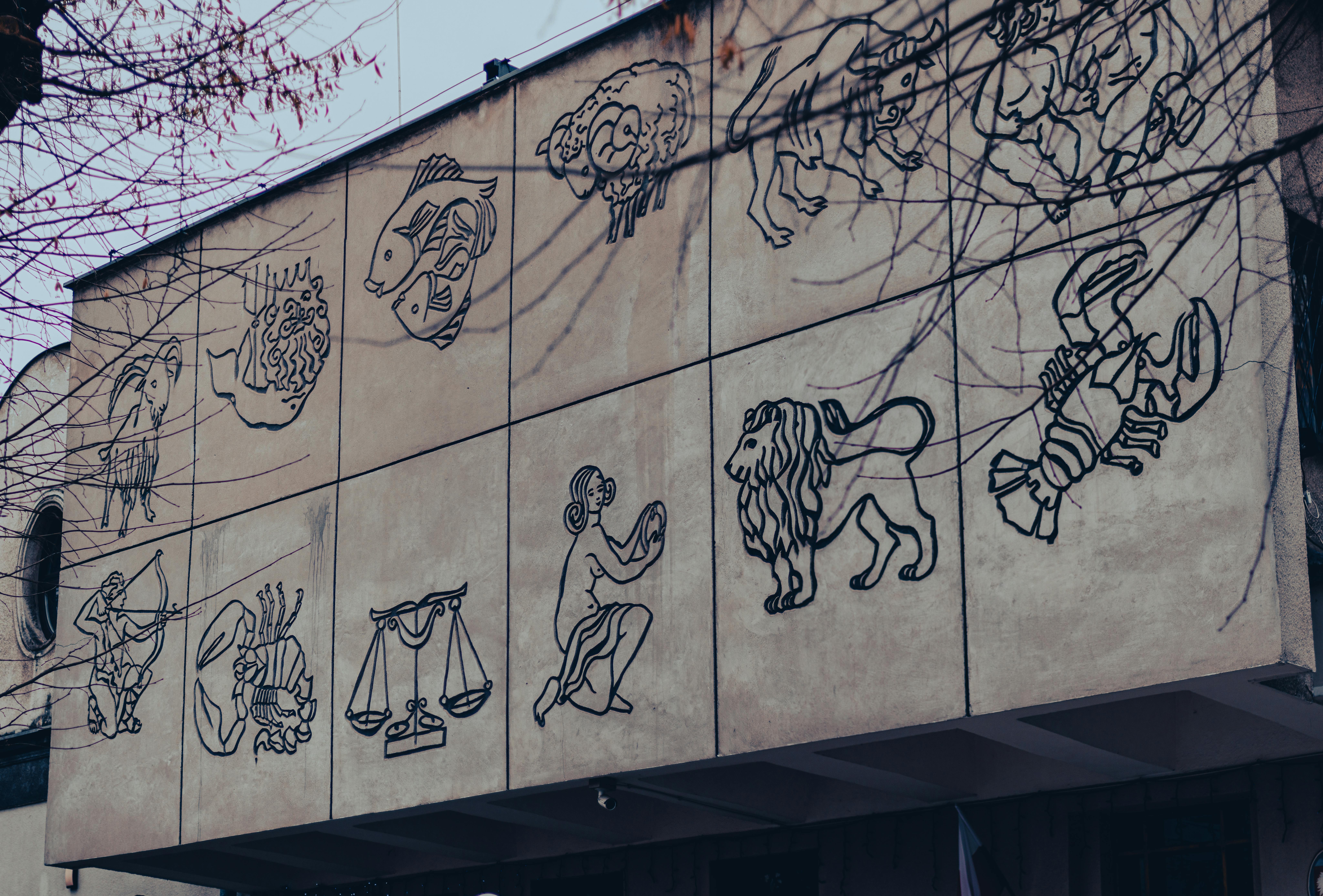
    The zodiac has fascinated humanity for thousands of years. From Babylonian astronomy to Greek mythology, the twelve signs have evolved into powerful cultural archetypes that continue to inspire identity, reflection, and storytelling. This hub brings together the complete series on the history of each zodiac sign, plus an overview of the entire cycle, so readers can explore the origins, myths, and traits of every sign.

    Explore the Signs

    🔥 Fire Signs

    • Aries: The Pioneer → Bold beginnings, courage, and leadership.
    • Leo: The Leader → Creativity, charisma, and vitality.
    • Sagittarius: The Explorer → Adventure, philosophy, and freedom.

    🌿 Earth Signs

    • Taurus: The Provider → Stability, fertility, and sensuality.
    • Virgo: The Healer → Service, wisdom, and precision.
    • Capricorn: The Strategist → Discipline, ambition, and resilience.

    🌬️ Air Signs

    • Gemini: The Messenger → Curiosity, communication, and duality.
    • Libra: The Harmonizer → Justice, balance, and partnership.
    • Aquarius: The Visionary → Innovation, independence, and progress.

    🌊 Water Signs

    • Cancer: The Nurturer → Family, emotion, and protection.
    • Scorpio: The Transformer → Intensity, mystery, and rebirth.
    • Pisces: The Dreamer → Compassion, imagination, and transcendence.

    The Zodiac Cycle

    • The Complete Zodiac Cycle → A full overview of how the twelve signs form a symbolic journey through human experience, from Aries’ fiery beginnings to Pisces’ spiritual transcendence.

    Why This Matters

    • Cultural depth → Each sign is rooted in ancient astronomy and mythology.
    • Archetypal meaning → The signs reflect universal human traits and stages of life.
    • Modern relevance → Today, the zodiac continues to inspire horoscopes, art, and identity.
  • The Complete Zodiac Cycle: History, Symbolism, and Cultural Impact

    Photo by Jakub Pabis

    Introduction

    The Western zodiac is more than twelve individual signs—it is a complete cycle that reflects the rhythm of life. From Aries, the fiery pioneer, to Pisces, the compassionate dreamer, the zodiac tells a story of human growth, challenges, and transformation. Across thousands of years, this cycle has evolved from Babylonian astronomy into a cultural framework that continues to inspire identity and reflection today. Understanding the zodiac as a whole reveals its deeper meaning: a symbolic journey through the stages of human experience.

    Babylonian Foundations

    The zodiac system originated in Babylon around 1000 BCE, where constellations along the ecliptic were used to track agricultural cycles. Dividing the sky into twelve equal sections created a calendar that aligned with the seasons. Each constellation marked a stage in the year, from planting to harvest, from renewal to rest.

    This practical system became the foundation of the zodiac cycle, linking cosmic order to human survival.

    Greek and Roman Transformations

    The Greeks transformed the zodiac into a system of astrological interpretation, linking signs to personality traits and destiny. Each sign became an archetype, reflecting human qualities and cosmic harmony.

    The Romans adopted and expanded this system, integrating it into governance, medicine, and daily life. The zodiac cycle became a framework not only for time but for identity, guiding decisions and rituals.

    The Cycle of Twelve Signs

    The zodiac cycle unfolds as a symbolic journey:

    • Aries(The Pioneer) → Beginnings, courage, and initiative.
    • Taurus(The Provider) → Stability, fertility, and sensuality.
    • Gemini(The Messenger) → Curiosity, communication, and duality.
    • Cancer(The Nurturer) → Family, emotion, and protection.
    • Leo(The Leader) → Creativity, charisma, and vitality.
    • Virgo(The Healer) → Service, wisdom, and precision.
    • Libra(The Harmonizer) → Justice, balance, and partnership.
    • Scorpio(The Transformer) → Intensity, mystery, and rebirth.
    • Sagittarius (The Explorer) → Adventure, philosophy, and freedom.
    • Capricorn (The Strategist) → Discipline, ambition, and resilience.
    • Aquarius (The Visionary) → Innovation, independence, and progress.
    • Pisces (The Dreamer) → Compassion, imagination, and transcendence.

    Together, these signs form a cycle of growth, reflecting the stages of human life—from birth and ambition to wisdom and transcendence.

    Medieval and Renaissance Influence

    During the Middle Ages, the zodiac cycle was integrated into medicine, philosophy, and art. Each sign was linked to parts of the body, influencing health and treatments. The cycle was seen as a cosmic map of human existence.

    In the Renaissance, the zodiac appeared in cathedrals, manuscripts, and literature, symbolizing the harmony between heaven and earth. The cycle became a cultural language, shaping art and storytelling.

    Modern Revival and Psychology

    In the 20th century, astrology experienced a revival, influenced by psychology. Thinkers like Carl Jung saw zodiac signs as archetypes, reflecting universal patterns of the human psyche. The zodiac cycle became a symbolic journey of self‑understanding.

    Today, horoscopes and zodiac content are widely consumed, not as strict predictions but as tools for reflection. The cycle continues to inspire identity, creativity, and cultural connection.

    Cultural Impact of the Zodiac Cycle

    The zodiac cycle has influenced:

    • Art and Literature → Signs appear as archetypes in stories and paintings.
    • Medicine and Philosophy → Historically linked to health and cosmic order.
    • Popular Culture → Horoscopes, memes, and identity markers.
    • Personal Reflection → Used for self‑understanding and guidance.

    Even outside astrology, the zodiac cycle resonates as a metaphor for human growth and transformation.

    Conclusion

    The complete zodiac cycle is a symbolic journey through the stages of life. From Aries’ fiery beginnings to Pisces’ compassionate transcendence, the twelve signs reflect human challenges, strengths, and aspirations. Rooted in Babylonian astronomy, shaped by Greek mythology, and revived in modern psychology, the zodiac endures as a cultural framework that connects us to the cosmos.

    For readers, the cycle offers both guidance and inspiration: a reminder that life unfolds in stages, each with its own lessons and gifts. In the end, the zodiac is not just a set of signs—it is a timeless story of human experience, written in the stars.

    Read next:
    History of the Zodiac signs: Complete Guide

  • The History of Pisces: From Mythic Fish to Modern Dreamer

    Introduction

    Pisces, the twelfth and final sign of the Western zodiac, is often described as intuitive, compassionate, and artistic. But behind these traits lies a history that stretches back thousands of years. From Babylonian astronomy to Greek mythology, Pisces has evolved into a symbol of spirituality, imagination, and transcendence. Understanding Pisces means exploring its origins, symbolism, and enduring influence across cultures.

    Babylonian Beginnings

    The zodiac system originated in Babylon around 1000 BCE, where constellations were used to track agricultural cycles and celestial events. Pisces was associated with the constellation of the Fish, marking the end of the zodiac cycle.

    For the Babylonians, Pisces symbolized water, fertility, and renewal. Fish were vital to survival, representing abundance and sustenance. This connection explains why Pisces is linked to compassion, intuition, and spiritual depth.

    Egyptian and Greek Transformations

    The Egyptians adopted Babylonian star lore, associating Pisces with fertility and the cycles of the Nile. Fish were sacred symbols of life and renewal.

    The Greeks gave Pisces its mythological identity. In Greek mythology, Pisces is connected to the story of Aphrodite and Eros. When the monster Typhon attacked, the goddess Aphrodite and her son Eros transformed into fish to escape, tying themselves together with a cord so they would not be separated. Zeus honored their cleverness by placing them in the sky as the constellation Pisces.

    This myth established Pisces as a symbol of love, unity, and transcendence—qualities still associated with the sign today.

    Ptolemy and the Classical Zodiac

    In the 2nd century CE, Claudius Ptolemy formalized the zodiac in his Tetrabiblos. Pisces was placed as the twelfth sign, ruled by Jupiter (and later Neptune in modern astrology). Its element was Water, and its modality was Mutable, emphasizing adaptability and imagination.

    Ptolemy’s system gave Pisces its classical traits: compassion, intuition, and creativity. These qualities reflected both the myth of Aphrodite and Eros and the agricultural symbolism of renewal and fertility.

    Pisces in the Middle Ages and Renaissance

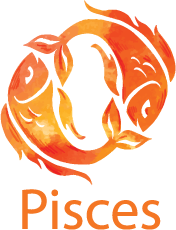
    During the Middle Ages, Pisces was used in medical astrology. Physicians believed Pisces ruled the feet and lymphatic system, influencing health and treatments. Charts often depicted Pisces as two fish tied together, symbolizing unity and transcendence.

    In the Renaissance, Pisces appeared in art and literature as a symbol of love and imagination. Astrologers linked Pisces to mystics, artists, and dreamers, reinforcing its role as the sign of spirituality and creativity.

    Modern Pisces: Personality and Psychology

    In modern astrology, Pisces is described as:

    • Intuitive and Compassionate → Sensitive to emotions and spiritual energy.
    • Creative and Imaginative → Draws inspiration from dreams and art.
    • Adaptable and Empathetic → Easily connects with others, often selfless.
    • Escapist and Idealistic → Struggles with boundaries, seeks transcendence.

    Psychologists like Carl Jung saw zodiac signs as archetypes. Pisces represents the Dreamer archetype—the part of us that seeks imagination, compassion, and spiritual connection. This archetype explains why Pisces individuals are often drawn to art, spirituality, and healing.

    Pisces and the Elements

    Pisces is a Water sign, symbolizing emotion, intuition, and adaptability. Water signs are known for their sensitivity and depth. Pisces, as the third Water sign, embodies the imagination and compassion needed for transcendence.

    Its ruling planets are Jupiter (classical) and Neptune (modern). Jupiter adds wisdom and expansion, while Neptune represents dreams, spirituality, and illusion. Together, Water, Jupiter, and Neptune make Pisces a sign of imagination and compassion.

    Pisces in Culture and Symbolism

    Pisces continues to appear in cultural expressions:

    • Horoscopes → Pisces is often described as intuitive and artistic.
    • Art and Literature → The fish symbolize love, unity, and transcendence.
    • Popular Culture → Pisces traits are used to describe artists, mystics, and dreamers.

    Even outside astrology, Pisces’ symbolism resonates as a metaphor for imagination, compassion, and spirituality.

    Conclusion

    The history of Pisces reveals a journey from Babylonian astronomy to Greek mythology, from Ptolemy’s system to modern horoscopes. Pisces has always symbolized imagination, compassion, and transcendence. Whether as Aphrodite and Eros tied together as fish or the spiritual dreamer of astrology, Pisces continues to inspire reflection and identity.

    For those born under Pisces, the sign offers both a challenge and a gift: to embrace imagination while balancing reality, to nurture compassion while honoring boundaries, and to seek transcendence while cultivating wisdom. In the end, Pisces is not just a zodiac sign—it is a timeless archetype of human imagination and spirituality.

    Read next: Aries

  • The History of Aquarius: From Water Bearer to Modern Visionary

    Introduction

    Aquarius, the eleventh sign of the Western zodiac, is often described as innovative, independent, and humanitarian. But behind these traits lies a fascinating history that stretches back thousands of years. From Babylonian astronomy to Greek mythology, Aquarius has evolved into a symbol of renewal, wisdom, and collective progress. Understanding Aquarius means exploring its origins, symbolism, and enduring influence across cultures.

    Babylonian Beginnings

    The zodiac system originated in Babylon around 1000 BCE, where constellations were used to track agricultural cycles and celestial events. Aquarius was associated with the constellation of the Water Bearer, often depicted as a man pouring water from a jar.

    For the Babylonians, Aquarius symbolized the rainy season, essential for agriculture and survival. The water bearer represented abundance, renewal, and life. This connection explains why Aquarius is linked to humanitarian ideals, innovation, and collective progress.

    Egyptian and Greek Transformations

    The Egyptians adopted Babylonian star lore, associating Aquarius with fertility and the cycles of the Nile. Water was seen as a sacred force, bringing life and renewal.

    The Greeks gave Aquarius its mythological identity. In Greek mythology, Aquarius is often associated with Ganymede, a beautiful youth chosen by Zeus to serve as cupbearer to the gods. Ganymede was taken to Olympus, where he poured ambrosia and water for the immortals. Zeus honored him by placing him in the sky as the constellation Aquarius.

    This myth established Aquarius as a symbol of service, renewal, and divine connection—qualities still associated with the sign today.

    Ptolemy and the Classical Zodiac

    In the 2nd century CE, Claudius Ptolemy formalized the zodiac in his Tetrabiblos. Aquarius was placed as the eleventh sign, ruled by Saturn (and later Uranus in modern astrology). Its element was Air, and its modality was Fixed, emphasizing stability and intellect.

    Ptolemy’s system gave Aquarius its classical traits: independence, intellect, and humanitarian ideals. These qualities reflected both the myth of Ganymede and the agricultural symbolism of renewal and abundance.

    Aquarius in the Middle Ages and Renaissance

    During the Middle Ages, Aquarius was used in medical astrology. Physicians believed Aquarius ruled the ankles and circulation, influencing health and treatments. Charts often depicted Aquarius as a water bearer, symbolizing renewal and vitality.

    In the Renaissance, Aquarius appeared in art and literature as a symbol of wisdom and progress. Astrologers linked Aquarius to scholars, inventors, and reformers, reinforcing its role as the sign of innovation and humanitarian ideals.

    Modern Aquarius: Personality and Psychology

    In modern astrology, Aquarius is described as:

    • Innovative and Independent → Values originality and freedom.
    • Humanitarian and Progressive → Seeks collective progress and justice.
    • Intellectual and Visionary → Loves ideas, innovation, and reform.
    • Detached and Unpredictable → Can be aloof, often resists conformity.

    Psychologists like Carl Jung saw zodiac signs as archetypes. Aquarius represents the Visionary archetype—the part of us that seeks innovation, progress, and collective renewal. This archetype explains why Aquarius individuals are often drawn to reform, invention, and humanitarian causes.

    Aquarius and the Elements

    Aquarius is an Air sign, symbolizing intellect, communication, and progress. Air signs are known for their curiosity and adaptability. Aquarius, as the third Air sign, embodies the vision and innovation needed for collective growth.

    Its ruling planets are Saturn (classical) and Uranus (modern). Saturn adds discipline and structure, while Uranus represents innovation and sudden change. Together, Air, Saturn, and Uranus make Aquarius a sign of progress and originality.

    Aquarius in Culture and Symbolism

    Aquarius continues to appear in cultural expressions:

    • Horoscopes → Aquarius is often described as innovative and humanitarian.
    • Art and Literature → The water bearer symbolizes renewal, service, and progress.
    • Popular Culture → Aquarius traits are used to describe inventors, reformers, and visionaries.

    Even outside astrology, Aquarius’ symbolism resonates as a metaphor for innovation, renewal, and collective progress.

    Conclusion

    The history of Aquarius reveals a journey from Babylonian astronomy to Greek mythology, from Ptolemy’s system to modern horoscopes. Aquarius has always symbolized innovation, renewal, and humanitarian ideals. Whether as Ganymede the divine water bearer or the visionary reformer of astrology, Aquarius continues to inspire reflection and identity.

    For those born under Aquarius, the sign offers both a challenge and a gift: to embrace innovation while balancing tradition, to seek progress while honoring stability, and to pursue freedom while nurturing connection. In the end, Aquarius is not just a zodiac sign—it is a timeless archetype of human vision and renewal.

    Read next: Pisces

  • The History of Capricorn: From Mythic Sea‑Goat to Modern Strategist

    Introduction

    Capricorn, the tenth sign of the Western zodiac, is often described as ambitious, disciplined, and pragmatic. But behind these traits lies a fascinating history that stretches back thousands of years. From Babylonian astronomy to Greek mythology, Capricorn has evolved into a symbol of endurance, wisdom, and resilience. Understanding Capricorn means exploring its origins, symbolism, and enduring influence across cultures.

    Babylonian Beginnings

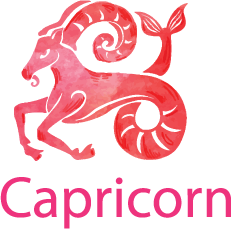
    The zodiac system originated in Babylon around 1000 BCE, where constellations were used to track agricultural cycles and celestial events. Capricorn was associated with the constellation of the Sea‑Goat, a creature with the body of a goat and the tail of a fish.

    For the Babylonians, Capricorn symbolized fertility and resilience. The goat represented determination and survival in harsh conditions, while the fish tail symbolized adaptability and connection to water. This duality explains why Capricorn is linked to ambition, endurance, and wisdom.

    Egyptian and Greek Transformations

    The Egyptians adopted Babylonian star lore, associating Capricorn with fertility and the cycles of the Nile. The goat was seen as a symbol of abundance and perseverance.

    The Greeks gave Capricorn its mythological identity. In Greek mythology, Capricorn is often associated with Pan, the god of nature. During the battle with the monster Typhon, Pan transformed into a sea‑goat to escape, diving into the Nile. Zeus honored Pan’s cleverness by placing him in the sky as the constellation Capricorn.

    This myth established Capricorn as a symbol of adaptability, resilience, and wisdom—qualities still associated with the sign today.

    Ptolemy and the Classical Zodiac

    In the 2nd century CE, Claudius Ptolemy formalized the zodiac in his Tetrabiblos. Capricorn was placed as the tenth sign, ruled by Saturn, the planet of discipline and structure. Its element was Earth, and its modality was Cardinal, emphasizing initiation and ambition.

    Ptolemy’s system gave Capricorn its classical traits: discipline, pragmatism, and ambition. These qualities reflected both the myth of Pan and the agricultural symbolism of endurance and survival in winter.

    Capricorn in the Middle Ages and Renaissance

    During the Middle Ages, Capricorn was used in medical astrology. Physicians believed Capricorn ruled the knees and bones, influencing health and treatments. Charts often depicted Capricorn as a sea‑goat, symbolizing resilience and adaptability.

    In the Renaissance, Capricorn appeared in art and literature as a symbol of ambition and wisdom. Astrologers linked Capricorn to rulers, builders, and strategists, reinforcing its role as the sign of discipline and endurance.

    Modern Capricorn: Personality and Psychology

    In modern astrology, Capricorn is described as:

    • Ambitious and Disciplined → Values hard work and achievement.
    • Pragmatic and Realistic → Focuses on practical solutions and long‑term goals.
    • Resilient and Patient → Endures challenges with determination.
    • Reserved and Responsible → Prefers structure and responsibility.

    Psychologists like Carl Jung saw zodiac signs as archetypes. Capricorn represents the Strategist archetype—the part of us that seeks discipline, builds structures, and achieves goals. This archetype explains why Capricorn individuals are often drawn to leadership, business, and long‑term planning.

    Capricorn and the Elements

    Capricorn is an Earth sign, symbolizing stability, practicality, and grounding. Earth signs are known for their reliability and connection to material reality. Capricorn, as the third Earth sign, embodies the ambition and discipline needed for achievement.

    Its ruling planet, Saturn, adds structure and responsibility. Saturn represents discipline, time, and endurance, reinforcing Capricorn’s connection to ambition and pragmatism. Together, Earth and Saturn make Capricorn a sign of discipline and resilience.

    Capricorn in Culture and Symbolism

    Capricorn continues to appear in cultural expressions:

    • Horoscopes → Capricorn is often described as ambitious and disciplined.
    • Art and Literature → The sea‑goat symbolizes resilience, adaptability, and wisdom.
    • Popular Culture → Capricorn traits are used to describe leaders, builders, and strategists.

    Even outside astrology, Capricorn’s symbolism resonates as a metaphor for ambition, discipline, and resilience.

    Conclusion

    The history of Capricorn reveals a journey from Babylonian astronomy to Greek mythology, from Ptolemy’s system to modern horoscopes. Capricorn has always symbolized ambition, discipline, and resilience. Whether as Pan the clever sea‑goat or the pragmatic strategist of astrology, Capricorn continues to inspire reflection and identity.

    For those born under Capricorn, the sign offers both a challenge and a gift: to embrace ambition while balancing patience, to pursue discipline while honoring flexibility, and to achieve goals while nurturing wisdom. In the end, Capricorn is not just a zodiac sign—it is a timeless archetype of human endurance and achievement.

    Read next: Aquarius

  • The History of Sagittarius: From Mythic Archer to Modern Explorer

    Introduction

    Sagittarius, the ninth sign of the Western zodiac, is often described as adventurous, philosophical, and optimistic. But behind these traits lies a rich history that stretches back thousands of years. From Babylonian astronomy to Greek mythology, Sagittarius has evolved into a symbol of exploration, wisdom, and freedom. Understanding Sagittarius means exploring its origins, symbolism, and enduring influence across cultures.

    Babylonian Beginnings

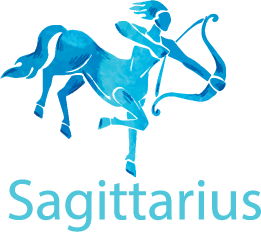
    The zodiac system originated in Babylon around 1000 BCE, where constellations were used to track agricultural cycles and celestial events. Sagittarius was associated with the constellation of the Archer, often depicted as a centaur with a bow and arrow.

    For the Babylonians, Sagittarius symbolized hunting, protection, and guidance. The archer’s arrow pointed toward the stars, representing direction and purpose. This connection explains why Sagittarius is linked to exploration, wisdom, and optimism.

    Egyptian and Greek Transformations

    The Egyptians adopted Babylonian star lore, associating Sagittarius with hunting and protection. Archers were revered as defenders of order and balance.

    The Greeks gave Sagittarius its mythological identity. In Greek mythology, Sagittarius is often associated with Chiron, the wise centaur. Unlike other centaurs, Chiron was noble, skilled in medicine, and a teacher of heroes like Achilles. He was immortal but wounded by a poisoned arrow. Unable to heal himself, Chiron chose to give up his immortality, and Zeus honored him by placing him in the sky as the constellation Sagittarius.

    This myth established Sagittarius as a symbol of wisdom, sacrifice, and guidance—qualities still associated with the sign today.

    Ptolemy and the Classical Zodiac

    In the 2nd century CE, Claudius Ptolemy formalized the zodiac in his Tetrabiblos. Sagittarius was placed as the ninth sign, ruled by Jupiter, the planet of expansion and philosophy. Its element was Fire, and its modality was Mutable, emphasizing adaptability and exploration.

    Ptolemy’s system gave Sagittarius its classical traits: optimism, curiosity, and a love of freedom. These qualities reflected both the myth of Chiron and the agricultural symbolism of exploration and guidance.

    Sagittarius in the Middle Ages and Renaissance

    During the Middle Ages, Sagittarius was used in medical astrology. Physicians believed Sagittarius ruled the thighs and hips, influencing health and treatments. Charts often depicted Sagittarius as a centaur archer, symbolizing wisdom and direction.

    In the Renaissance, Sagittarius appeared in art and literature as a symbol of exploration and philosophy. Astrologers linked Sagittarius to travelers, scholars, and adventurers, reinforcing its role as the sign of wisdom and freedom.

    Modern Sagittarius: Personality and Psychology

    In modern astrology, Sagittarius is described as:

    • Adventurous and Curious → Loves travel, exploration, and new experiences.
    • Philosophical and Optimistic → Seeks meaning, wisdom, and truth.
    • Independent and Freedom‑Loving → Values autonomy and personal growth.
    • Restless and Impulsive → Struggles with commitment, always seeking the next adventure.

    Psychologists like Carl Jung saw zodiac signs as archetypes. Sagittarius represents the Explorer archetype—the part of us that seeks adventure, wisdom, and freedom. This archetype explains why Sagittarius individuals are often drawn to travel, philosophy, and discovery.

    Sagittarius and the Elements

    Sagittarius is a Fire sign, symbolizing passion, energy, and creativity. Fire signs are known for their dynamism and inspiration. Sagittarius, as the third Fire sign, embodies the flame of exploration and wisdom.

    Its ruling planet, Jupiter, adds expansion and philosophy. Jupiter represents growth, optimism, and higher learning, reinforcing Sagittarius’ love of wisdom and freedom. Together, Fire and Jupiter make Sagittarius a sign of adventure and philosophy.

    Sagittarius in Culture and Symbolism

    Sagittarius continues to appear in cultural expressions:

    • Horoscopes → Sagittarius is often described as adventurous and philosophical.
    • Art and Literature → The archer symbolizes wisdom, exploration, and freedom.
    • Popular Culture → Sagittarius traits are used to describe travelers, philosophers, and adventurers.

    Even outside astrology, Sagittarius’ symbolism resonates as a metaphor for exploration, wisdom, and freedom.

    Conclusion

    The history of Sagittarius reveals a journey from Babylonian astronomy to Greek mythology, from Ptolemy’s system to modern horoscopes. Sagittarius has always symbolized adventure, wisdom, and freedom. Whether as Chiron the wise centaur or the philosophical explorer of astrology, Sagittarius continues to inspire reflection and identity.

    For those born under Sagittarius, the sign offers both a challenge and a gift: to embrace adventure while balancing responsibility, to seek wisdom while honoring practicality, and to pursue freedom while nurturing connection. In the end, Sagittarius is not just a zodiac sign—it is a timeless archetype of human exploration and philosophy.

    Read next: Capricorn

  • The History of Scorpio: From Mythic Scorpion to Modern Transformer

    Introduction

    Scorpio, the eighth sign of the Western zodiac, is often described as intense, passionate, and transformative. But behind these traits lies a dramatic history that stretches back thousands of years. From Babylonian astronomy to Greek mythology, Scorpio has evolved into a symbol of mystery, death, and rebirth. Understanding Scorpio means exploring its origins, symbolism, and enduring influence across cultures.

    Babylonian Beginnings

    The zodiac system originated in Babylon around 1000 BCE, where constellations were used to track agricultural cycles and celestial events. Scorpio was associated with the constellation of the Scorpion, marking the late autumn season.

    For the Babylonians, Scorpio symbolized danger and transformation. The scorpion, a creature with venomous power, represented both destruction and renewal. This connection explains why Scorpio is linked to intensity, mystery, and rebirth.

    Egyptian and Greek Transformations

    The Egyptians adopted Babylonian star lore, associating Scorpio with death and the afterlife. Scorpions were feared but also respected as symbols of protection and transformation.

    The Greeks gave Scorpio its mythological identity. In Greek mythology, Scorpio is connected to the story of Orion the Hunter. Orion boasted that he could kill all animals on Earth. In response, Gaia (or Artemis in some versions) sent a giant scorpion to stop him. The scorpion stung Orion, killing him. Both Orion and Scorpio were placed in the sky as constellations, forever chasing each other.

    This myth established Scorpio as a symbol of power, vengeance, and transformation—qualities still associated with the sign today.

    Ptolemy and the Classical Zodiac

    In the 2nd century CE, Claudius Ptolemy formalized the zodiac in his Tetrabiblos. Scorpio was placed as the eighth sign, ruled by Mars (and later Pluto in modern astrology). Its element was Water, and its modality was Fixed, emphasizing intensity and persistence.

    Ptolemy’s system gave Scorpio its classical traits: passion, secrecy, and transformative power. These qualities reflected both the myth of the scorpion and the agricultural symbolism of death and renewal in late autumn.

    Scorpio in the Middle Ages and Renaissance

    During the Middle Ages, Scorpio was used in medical astrology. Physicians believed Scorpio ruled the reproductive organs, influencing health and treatments. Charts often depicted Scorpio as a scorpion, symbolizing danger and transformation.

    In the Renaissance, Scorpio appeared in art and literature as a symbol of mystery and passion. Astrologers linked Scorpio to warriors, mystics, and alchemists, reinforcing its role as the sign of transformation and intensity.

    Modern Scorpio: Personality and Psychology

    In modern astrology, Scorpio is described as:

    • Intense and Passionate → Experiences emotions deeply and powerfully.
    • Mysterious and Secretive → Values privacy and hidden strength.
    • Transformative and Resilient → Capable of profound change and rebirth.
    • Loyal and Protective → Devoted to loved ones, often fiercely so.

    Psychologists like Carl Jung saw zodiac signs as archetypes. Scorpio represents the Transformer archetype—the part of us that seeks depth, embraces change, and confronts shadow. This archetype explains why Scorpio individuals are often drawn to psychology, spirituality, and transformative experiences.

    Scorpio and the Elements

    Scorpio is a Water sign, symbolizing emotion, intuition, and depth. Water signs are known for their sensitivity and intensity. Scorpio, as the second Water sign, embodies the transformative power of emotion and mystery.

    Its ruling planets are Mars (classical) and Pluto (modern). Mars adds passion and drive, while Pluto represents transformation, death, and rebirth. Together, Water, Mars, and Pluto make Scorpio a sign of intensity and profound change.

    Scorpio in Culture and Symbolism

    Scorpio continues to appear in cultural expressions:

    • Horoscopes → Scorpio is often described as intense and transformative.
    • Art and Literature → The scorpion symbolizes danger, mystery, and rebirth.
    • Popular Culture → Scorpio traits are used to describe detectives, mystics, and passionate lovers.

    Even outside astrology, Scorpio’s symbolism resonates as a metaphor for transformation, mystery, and resilience.

    Conclusion

    The history of Scorpio reveals a journey from Babylonian astronomy to Greek mythology, from Ptolemy’s system to modern horoscopes. Scorpio has always symbolized intensity, mystery, and transformation. Whether as the mythic scorpion or the passionate transformer of astrology, Scorpio continues to inspire reflection and identity.

    For those born under Scorpio, the sign offers both a challenge and a gift: to embrace passion while balancing control, to seek transformation while honoring stability, and to explore mystery while nurturing trust. In the end, Scorpio is not just a zodiac sign—it is a timeless archetype of human intensity and rebirth.

    Read next: Sagittarius

  • The History of Libra: From Sacred Scales to Modern Harmonizer

    Introduction

    Libra, the seventh sign of the Western zodiac, is often described as diplomatic, fair, and harmony‑seeking. But behind these traits lies a history that stretches back thousands of years. From Babylonian astronomy to Roman symbolism, Libra has evolved into a sign of balance, justice, and partnership. Understanding Libra means exploring its origins, mythology, and enduring cultural influence.

    Babylonian Beginnings

    The zodiac system originated in Babylon around 1000 BCE, where constellations were used to track agricultural cycles and seasonal changes. Libra was associated with the Scales, marking the autumn equinox.

    For the Babylonians, Libra symbolized balance between day and night, light and darkness. The scales represented fairness and cosmic order. This connection explains why Libra is linked to justice, equality, and harmony.

    Egyptian and Greek Transformations

    The Egyptians adopted Babylonian star lore, associating Libra with balance and truth. Scales were central in Egyptian mythology, used to weigh the souls of the dead against the feather of Ma’at, the goddess of truth and justice.

    The Greeks initially did not recognize Libra as a separate constellation. Instead, they saw the scales as part of Virgo, held by Astraea, the goddess of justice. Over time, Libra became distinct, symbolizing balance and fairness.

    This mythological connection established Libra as a sign of justice, harmony, and partnership—qualities still associated with the sign today.

    Roman Influence and the Classical Zodiac

    The Romans gave Libra its enduring identity. They associated the scales with Justitia, the goddess of justice, and with the balance of law and order. Libra became a symbol of Roman governance and fairness.

    In the 2nd century CE, Claudius Ptolemy formalized the zodiac in his Tetrabiblos. Libra was placed as the seventh sign, ruled by Venus, the planet of love and beauty. Its element was Air, and its modality was Cardinal, emphasizing initiation and diplomacy.

    Ptolemy’s system gave Libra its classical traits: fairness, diplomacy, and a love of harmony. These qualities reflected both the mythological symbolism of the scales and the agricultural balance of the equinox.

    Libra in the Middle Ages and Renaissance

    During the Middle Ages, Libra was used in medical astrology. Physicians believed Libra ruled the kidneys and lower back, influencing health and treatments. Charts often depicted Libra as scales, symbolizing balance and fairness.

    In the Renaissance, Libra appeared in art and literature as a symbol of justice and harmony. Astrologers linked Libra to judges, diplomats, and artists, reinforcing its role as the sign of balance and beauty.

    Modern Libra: Personality and Psychology

    In modern astrology, Libra is described as:

    • Diplomatic and Fair → Seeks harmony and balance in relationships.
    • Social and Charming → Values connection and partnership.
    • Artistic and Aesthetic → Appreciates beauty, art, and design.
    • Indecisive and Peace‑Seeking → Struggles with choices, avoids conflict.

    Psychologists like Carl Jung saw zodiac signs as archetypes. Libra represents the Mediator archetype—the part of us that seeks fairness, harmony, and connection. This archetype explains why Libra individuals are often drawn to law, diplomacy, and art.

    Libra and the Elements

    Libra is an Air sign, symbolizing intellect, communication, and social connection. Air signs are known for their curiosity and adaptability. Libra, as the second Air sign, embodies the balance of thought and relationship.

    Its ruling planet, Venus, adds beauty and love. Venus represents harmony, attraction, and aesthetics, reinforcing Libra’s connection to art and partnership. Together, Air and Venus make Libra a sign of diplomacy and beauty.

    Libra in Culture and Symbolism

    Libra continues to appear in cultural expressions:

    • Horoscopes → Libra is often described as diplomatic and harmony‑seeking.
    • Art and Literature → The scales symbolize justice, balance, and fairness.
    • Popular Culture → Libra traits are used to describe judges, diplomats, and artists.

    Even outside astrology, Libra’s symbolism resonates as a metaphor for justice, harmony, and partnership.

    Conclusion

    The history of Libra reveals a journey from Babylonian astronomy to Roman symbolism, from Ptolemy’s system to modern horoscopes. Libra has always symbolized balance, justice, and harmony. Whether as the sacred scales of myth or the diplomatic harmonizer of astrology, Libra continues to inspire reflection and identity.

    For those born under Libra, the sign offers both a challenge and a gift: to embrace fairness while balancing decisiveness, to seek harmony while honoring individuality, and to create beauty while pursuing justice. In the end, Libra is not just a zodiac sign—it is a timeless archetype of human balance and connection.

    Read Next: Scorpio