
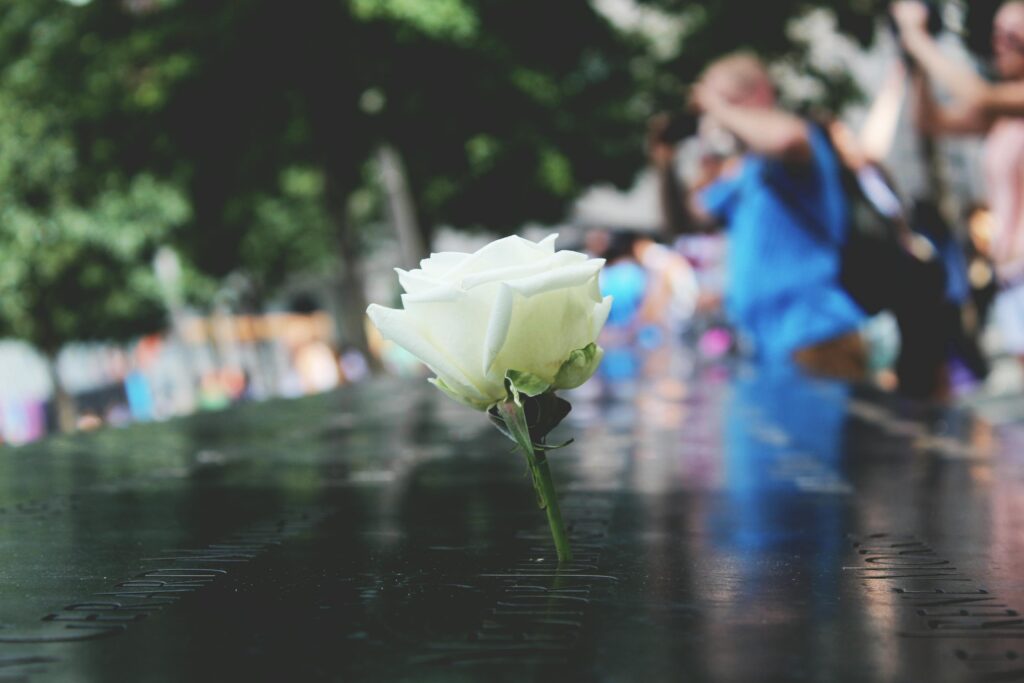
Grief is a universal human experience, but the way we process it, honor our loved ones, and mark the passage of time is deeply influenced by our culture and spirituality. Across the globe, various traditions have established specific timelines for mourning, remembrance, and the spiritual transition of the soul. These milestones provide a structured path for healing, ensuring that the departed are never forgotten and that the community continues to support the bereaved.
If you have ever needed to calculate a specific memorial date—like the Javanese 40 days, the Buddhist 49 days, or a Catholic Novena—you know that the calendar math can quickly become complicated.
In this article, we will explore the profound significance of these cultural memorial days and introduce a simple way to calculate them using our new Cultural Memorial Day Calculator.
The Javanese Selamatan and the 1,000-Day Journey
In Javanese and Indonesian culture, the process of mourning and remembering the dead is deeply intertwined with communal gatherings called Selamatan or Tahlilan. These gatherings blend local animist traditions with Islamic practices, creating a beautiful framework of community support and prayer for the departed soul.
The Javanese tradition marks several key milestones after a passing:
- 3 Days and 7 Days: The initial period where the soul is believed to still be near the home. Family and neighbors gather to pray for the soul’s peaceful transition.
- 40 Days: A major milestone. It is traditionally believed that the soul finally severs its ties with the earthly realm on the 40th day. A significant gathering is held to guide the soul onward.
- 100 Days: Another large communal prayer to perfect the soul’s journey.
- Pendak 1 and Pendak 2 (1 and 2 Years): Interestingly, the Javanese calendar uses a lunar year of exactly 354 days. The Pendak 1 (first anniversary) and Pendak 2 (second anniversary) are calculated based on this lunar cycle, rather than the standard 365-day Gregorian calendar.
- 1,000 Days (Nyewu): The final and most elaborate Selamatan. It marks the end of the formal mourning period. It is believed that the soul has fully integrated into the spiritual realm, and the family can officially conclude the ritual obligations.
A crucial part of Javanese memorials is the Weton—the combination of the seven-day Gregorian week and the five-day Javanese Pasaran cycle (Legi, Pahing, Pon, Wage, Kliwon). Determining the exact Weton of a memorial day is essential for scheduling these sacred events.
The Rhythmic Cycles of Balinese Hinduism
Balinese culture utilizes an incredibly rich calendar system, governed by the 210-day Pawukon calendar and the lunar Saka calendar. Because of this, they observe very specific day intervals for both death memorials and significant life-cycle rites of passage (Manusa Yadnya).
- 12 Days (Ngeroras or Nyekah): A highly significant post-cremation ceremony. Twelve days after the Ngaben (cremation), this final purification ritual is held before scattering the ashes into the sea to elevate the soul to the ancestral realm.
- 42 Days (Tutug Kambuhan or Bulan Pitung Dina): This represents exactly one Balinese month (35 days) plus one 7-day week. While sometimes used in mourning cycles, it prominently marks the end of the initial purification period for a newborn baby and their mother.
- 105 Days (Nyabutan or Telubulan): Exactly three 35-day Balinese months. This is a joyous milestone where a baby’s feet are allowed to touch the earth for the very first time.
- 210 Days (Otonan): One complete Pawukon calendar year (6 months of 35 days). This marks a traditional Balinese birthday or anniversary, repeating every 210 days throughout a person’s life.
The East Asian and Buddhist 49-Day Transition
In many East Asian and Buddhist traditions, the period immediately following death is a critical time for the soul. According to traditional Buddhist beliefs, the soul does not reincarnate immediately. Instead, it enters an intermediate state known as the Bardo.
This transition period lasts for a maximum of 49 days. It is divided into seven cycles of seven days. Every 7th day (the 7th, 14th, 21st, up to the 49th), the family holds a memorial service to generate positive karma and merit for the deceased, which is believed to help them secure a favorable rebirth.
The 49th day (known as Zuo Qi in Chinese traditions or Shijukunichi in Japanese) is the most vital ceremony, marking the soul’s final judgment and rebirth. Many families also hold an additional memorial on the 100th day, which serves as a final major milestone to honor the deceased before the one-year anniversary.
Catholic and Christian Memorial Milestones
Christianity, particularly the Catholic and Eastern Orthodox traditions, also places heavy emphasis on specific numbers and dates following a passing.
- 9 Days (The Novena): The number nine holds great spiritual significance, tracing back to the nine days the Apostles spent in prayer between the Ascension of Jesus and Pentecost. Many Catholic cultures observe a nine-day mourning and prayer period. In the Philippines, this is known as the Pasiyam.
- 30 Days (The Month’s Mind): Particularly in Catholic traditions in the UK and Ireland, a “Month’s Mind” Mass is held roughly 30 days after a person’s death. It is an opportunity for those who could not attend the funeral to pay their respects.
- 40 Days: Reflecting the 40 days Jesus walked the earth after his resurrection before ascending to heaven, the 40th-day memorial is widely observed in Eastern Orthodox Christianity. It is believed to be the day the soul is presented before God.
Hindu and Jewish Mourning Periods
Other ancient faiths utilize very specific timelines for mourning to ensure the psychological well-being of the living and the spiritual progression of the dead.
- 13 Days (Hindu Terahvin): In Hinduism, particularly in North India, the 13th day after a death is called the Terahvin. It marks the end of the formal mourning period. A ceremony is held to help the soul sever its attachments to its previous life and physical body, allowing it to move on to the realm of the ancestors.
- 7 and 30 Days (Jewish Shiva and Shloshim): Judaism outlines a highly structured mourning process. The first seven days are known as Shiva, a period of intense mourning where the immediate family stays at home. This is followed by Shloshim, a 30-day period where the bereaved slowly begin to re-enter society but refrain from joyous events. Finally, the Yahrzeit marks the one-year anniversary of the death.
The Challenge of Calendar Calculations
While the spiritual intent behind these dates is beautiful, the actual mathematics of scheduling them can be highly stressful for grieving families.
Calculating 40, 100, or 1,000 days manually on a standard calendar involves accounting for different month lengths and leap years. Furthermore, if you need to find the Javanese Pasaran day, or calculate the exact 354-day lunar year for a Pendak ceremony, or navigate the 35-day Balinese months, the complexity multiplies. Families often have to consult religious leaders or download specialized apps just to figure out when to book a venue or invite guests.
Introducing the Cultural Memorial Day Calculator
To help families easily navigate these traditional milestones without the stress of manual calculations, we have developed the Cultural Memorial Day Calculator.
Built directly into our Biorhythm and Astrology platform, this free, easy-to-use tool is designed to support all major global traditions in a single place.
Here is how it works:
- Select the Base Date: Choose the date of the passing on our interactive calendar.
- Add the Days: Click on one of our convenient preset buttons. Whether you need the Catholic 9 days, the Balinese 12 days, the Hindu 13 days, the Jewish 30 days, the Buddhist 49 days, or the Javanese 1,000 days, we have you covered. You can also input any custom number.
- Get Your Target Date: Instantly see the exact target date of the memorial.
To provide an even deeper, more holistic view of the day’s energy, our calculator doesn’t just stop at the Gregorian date. It also instantly calculates the Javanese Pasaran (Weton), ensuring your Selamatan is held on the spiritually correct day. Furthermore, it reveals the Chinese Zodiac Animal and Element of the target year, offering an extra layer of astrological insight for the event.
A Time to Heal, Not a Time for Math
When a loved one passes, your energy should be spent on healing, remembering, and gathering with your community. By using our Cultural Memorial Day Calculator, you can instantly map out the months and years ahead, allowing you to focus on what truly matters: honoring the beautiful life of the person who has passed on.
Visit our Cultural Memorial Day Calculator today to effortlessly find your next important family milestone.