
Introduction
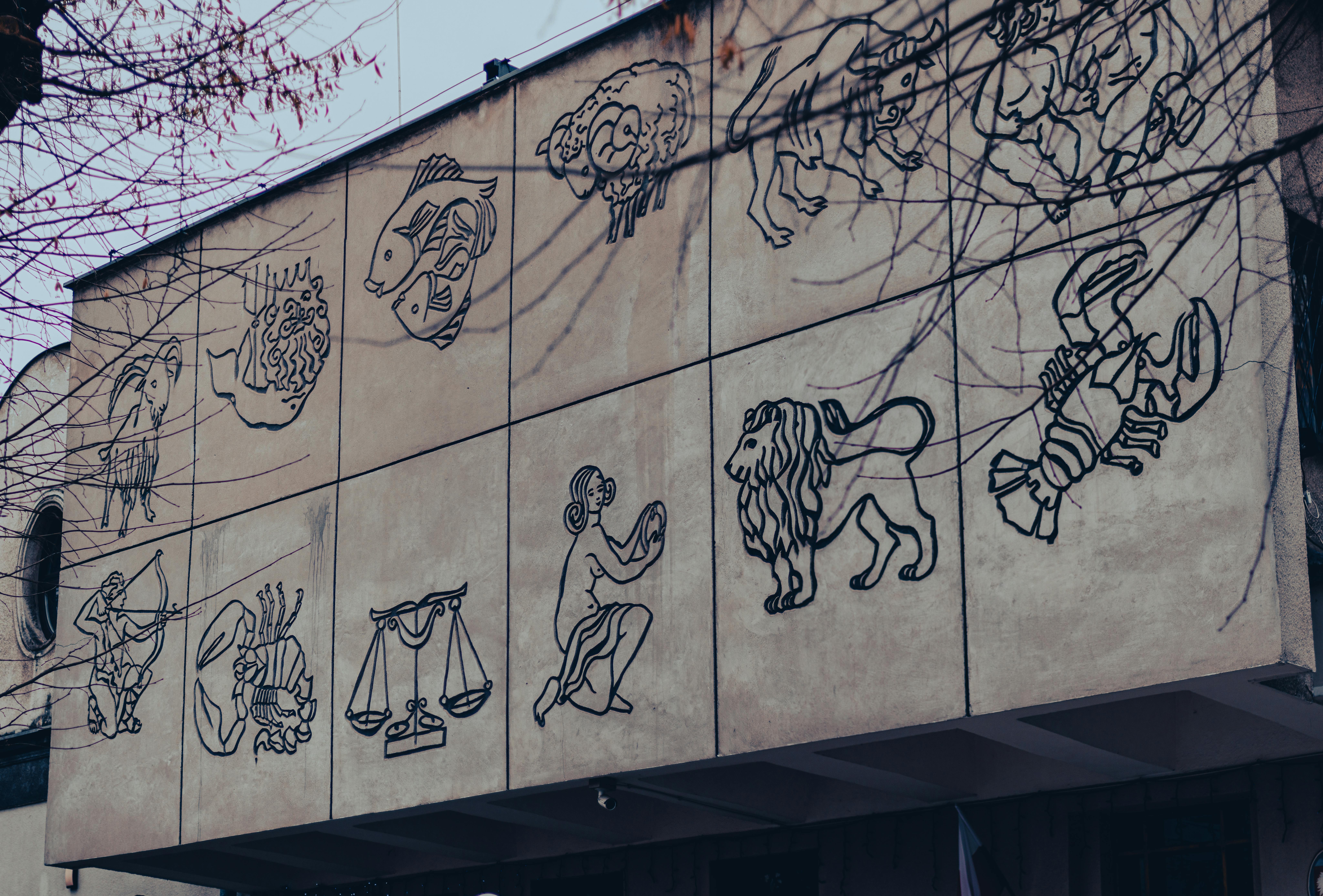
The Western zodiac is more than twelve individual signs—it is a complete cycle that reflects the rhythm of life. From Aries, the fiery pioneer, to Pisces, the compassionate dreamer, the zodiac tells a story of human growth, challenges, and transformation. Across thousands of years, this cycle has evolved from Babylonian astronomy into a cultural framework that continues to inspire identity and reflection today. Understanding the zodiac as a whole reveals its deeper meaning: a symbolic journey through the stages of human experience.
Babylonian Foundations
The zodiac system originated in Babylon around 1000 BCE, where constellations along the ecliptic were used to track agricultural cycles. Dividing the sky into twelve equal sections created a calendar that aligned with the seasons. Each constellation marked a stage in the year, from planting to harvest, from renewal to rest.
This practical system became the foundation of the zodiac cycle, linking cosmic order to human survival.
Greek and Roman Transformations
The Greeks transformed the zodiac into a system of astrological interpretation, linking signs to personality traits and destiny. Each sign became an archetype, reflecting human qualities and cosmic harmony.
The Romans adopted and expanded this system, integrating it into governance, medicine, and daily life. The zodiac cycle became a framework not only for time but for identity, guiding decisions and rituals.
The Cycle of Twelve Signs
The zodiac cycle unfolds as a symbolic journey:
- Aries(The Pioneer) → Beginnings, courage, and initiative.
- Taurus(The Provider) → Stability, fertility, and sensuality.
- Gemini(The Messenger) → Curiosity, communication, and duality.
- Cancer(The Nurturer) → Family, emotion, and protection.
- Leo(The Leader) → Creativity, charisma, and vitality.
- Virgo(The Healer) → Service, wisdom, and precision.
- Libra(The Harmonizer) → Justice, balance, and partnership.
- Scorpio(The Transformer) → Intensity, mystery, and rebirth.
- Sagittarius (The Explorer) → Adventure, philosophy, and freedom.
- Capricorn (The Strategist) → Discipline, ambition, and resilience.
- Aquarius (The Visionary) → Innovation, independence, and progress.
- Pisces (The Dreamer) → Compassion, imagination, and transcendence.
Together, these signs form a cycle of growth, reflecting the stages of human life—from birth and ambition to wisdom and transcendence.
Medieval and Renaissance Influence
During the Middle Ages, the zodiac cycle was integrated into medicine, philosophy, and art. Each sign was linked to parts of the body, influencing health and treatments. The cycle was seen as a cosmic map of human existence.
In the Renaissance, the zodiac appeared in cathedrals, manuscripts, and literature, symbolizing the harmony between heaven and earth. The cycle became a cultural language, shaping art and storytelling.
Modern Revival and Psychology
In the 20th century, astrology experienced a revival, influenced by psychology. Thinkers like Carl Jung saw zodiac signs as archetypes, reflecting universal patterns of the human psyche. The zodiac cycle became a symbolic journey of self‑understanding.
Today, horoscopes and zodiac content are widely consumed, not as strict predictions but as tools for reflection. The cycle continues to inspire identity, creativity, and cultural connection.
Cultural Impact of the Zodiac Cycle
The zodiac cycle has influenced:
- Art and Literature → Signs appear as archetypes in stories and paintings.
- Medicine and Philosophy → Historically linked to health and cosmic order.
- Popular Culture → Horoscopes, memes, and identity markers.
- Personal Reflection → Used for self‑understanding and guidance.
Even outside astrology, the zodiac cycle resonates as a metaphor for human growth and transformation.
Conclusion
The complete zodiac cycle is a symbolic journey through the stages of life. From Aries’ fiery beginnings to Pisces’ compassionate transcendence, the twelve signs reflect human challenges, strengths, and aspirations. Rooted in Babylonian astronomy, shaped by Greek mythology, and revived in modern psychology, the zodiac endures as a cultural framework that connects us to the cosmos.
For readers, the cycle offers both guidance and inspiration: a reminder that life unfolds in stages, each with its own lessons and gifts. In the end, the zodiac is not just a set of signs—it is a timeless story of human experience, written in the stars.