
Introduction
Capricorn, the tenth sign of the Western zodiac, is often described as ambitious, disciplined, and pragmatic. But behind these traits lies a fascinating history that stretches back thousands of years. From Babylonian astronomy to Greek mythology, Capricorn has evolved into a symbol of endurance, wisdom, and resilience. Understanding Capricorn means exploring its origins, symbolism, and enduring influence across cultures.
Babylonian Beginnings
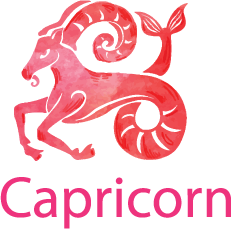
The zodiac system originated in Babylon around 1000 BCE, where constellations were used to track agricultural cycles and celestial events. Capricorn was associated with the constellation of the Sea‑Goat, a creature with the body of a goat and the tail of a fish.
For the Babylonians, Capricorn symbolized fertility and resilience. The goat represented determination and survival in harsh conditions, while the fish tail symbolized adaptability and connection to water. This duality explains why Capricorn is linked to ambition, endurance, and wisdom.
Egyptian and Greek Transformations
The Egyptians adopted Babylonian star lore, associating Capricorn with fertility and the cycles of the Nile. The goat was seen as a symbol of abundance and perseverance.
The Greeks gave Capricorn its mythological identity. In Greek mythology, Capricorn is often associated with Pan, the god of nature. During the battle with the monster Typhon, Pan transformed into a sea‑goat to escape, diving into the Nile. Zeus honored Pan’s cleverness by placing him in the sky as the constellation Capricorn.
This myth established Capricorn as a symbol of adaptability, resilience, and wisdom—qualities still associated with the sign today.
Ptolemy and the Classical Zodiac
In the 2nd century CE, Claudius Ptolemy formalized the zodiac in his Tetrabiblos. Capricorn was placed as the tenth sign, ruled by Saturn, the planet of discipline and structure. Its element was Earth, and its modality was Cardinal, emphasizing initiation and ambition.
Ptolemy’s system gave Capricorn its classical traits: discipline, pragmatism, and ambition. These qualities reflected both the myth of Pan and the agricultural symbolism of endurance and survival in winter.
Capricorn in the Middle Ages and Renaissance
During the Middle Ages, Capricorn was used in medical astrology. Physicians believed Capricorn ruled the knees and bones, influencing health and treatments. Charts often depicted Capricorn as a sea‑goat, symbolizing resilience and adaptability.
In the Renaissance, Capricorn appeared in art and literature as a symbol of ambition and wisdom. Astrologers linked Capricorn to rulers, builders, and strategists, reinforcing its role as the sign of discipline and endurance.
Modern Capricorn: Personality and Psychology
In modern astrology, Capricorn is described as:
- Ambitious and Disciplined → Values hard work and achievement.
- Pragmatic and Realistic → Focuses on practical solutions and long‑term goals.
- Resilient and Patient → Endures challenges with determination.
- Reserved and Responsible → Prefers structure and responsibility.
Psychologists like Carl Jung saw zodiac signs as archetypes. Capricorn represents the Strategist archetype—the part of us that seeks discipline, builds structures, and achieves goals. This archetype explains why Capricorn individuals are often drawn to leadership, business, and long‑term planning.
Capricorn and the Elements
Capricorn is an Earth sign, symbolizing stability, practicality, and grounding. Earth signs are known for their reliability and connection to material reality. Capricorn, as the third Earth sign, embodies the ambition and discipline needed for achievement.
Its ruling planet, Saturn, adds structure and responsibility. Saturn represents discipline, time, and endurance, reinforcing Capricorn’s connection to ambition and pragmatism. Together, Earth and Saturn make Capricorn a sign of discipline and resilience.
Capricorn in Culture and Symbolism
Capricorn continues to appear in cultural expressions:
- Horoscopes → Capricorn is often described as ambitious and disciplined.
- Art and Literature → The sea‑goat symbolizes resilience, adaptability, and wisdom.
- Popular Culture → Capricorn traits are used to describe leaders, builders, and strategists.
Even outside astrology, Capricorn’s symbolism resonates as a metaphor for ambition, discipline, and resilience.
Conclusion
The history of Capricorn reveals a journey from Babylonian astronomy to Greek mythology, from Ptolemy’s system to modern horoscopes. Capricorn has always symbolized ambition, discipline, and resilience. Whether as Pan the clever sea‑goat or the pragmatic strategist of astrology, Capricorn continues to inspire reflection and identity.
For those born under Capricorn, the sign offers both a challenge and a gift: to embrace ambition while balancing patience, to pursue discipline while honoring flexibility, and to achieve goals while nurturing wisdom. In the end, Capricorn is not just a zodiac sign—it is a timeless archetype of human endurance and achievement.
Read next: Aquarius