
Introduction
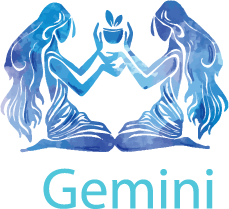
Gemini, the third sign of the Western zodiac, is often described as curious, adaptable, and communicative. But behind these traits lies a rich history that stretches back thousands of years. From Babylonian astronomy to Greek mythology, Gemini has evolved into a symbol of duality, intellect, and human connection. Understanding Gemini means exploring its origins, symbolism, and enduring influence across cultures.
Babylonian Beginnings
The zodiac system originated in Babylon around 1000 BCE, where constellations were used to track agricultural cycles and seasonal changes. Gemini was associated with the constellation of the Twins, representing duality and partnership.
For the Babylonians, Gemini marked the transition from spring to summer, a time of balance between planting and harvest. The twin stars—later identified as Castor and Pollux—symbolized companionship and cooperation, essential for survival in agricultural societies.
Egyptian and Greek Transformations
The Egyptians adopted Babylonian star lore, integrating Gemini into their religious practices. Twins were often seen as sacred, representing balance and harmony.
The Greeks gave Gemini its mythological identity. In Greek mythology, Gemini is connected to the Dioscuri—Castor and Pollux, twin brothers born of Leda. Castor was mortal, while Pollux was immortal, creating a bond of love and sacrifice. When Castor died, Pollux begged Zeus to let them share immortality. Zeus placed them in the sky as the constellation Gemini.
This myth established Gemini as a symbol of brotherhood, duality, and eternal connection—qualities still associated with the sign today.
Ptolemy and the Classical Zodiac
In the 2nd century CE, Claudius Ptolemy formalized the zodiac in his Tetrabiblos. Gemini was placed as the third sign, ruled by Mercury, the planet of communication and intellect. Its element was Air, and its modality was Mutable, emphasizing adaptability and change.
Ptolemy’s system gave Gemini its classical traits: curiosity, versatility, and a love of communication. These qualities reflected both the myth of the Twins and the agricultural symbolism of balance and transition.
Gemini in the Middle Ages and Renaissance
During the Middle Ages, Gemini was used in medical astrology. Physicians believed Gemini ruled the arms, shoulders, and lungs, influencing health and treatments. Charts often depicted Gemini as twin figures, symbolizing duality and balance.
In the Renaissance, Gemini appeared in art and literature as a symbol of partnership and intellect. Astrologers linked Gemini to scholars, writers, and travelers, reinforcing its role as the sign of communication and exploration.
Modern Gemini: Personality and Psychology
In modern astrology, Gemini is described as:
- Curious and Adaptable → Always eager to learn and explore.
- Communicative and Social → Loves conversation and connection.
- Versatile and Restless → Enjoys variety, sometimes struggles with focus.
- Dual and Complex → Can show different sides depending on context.
Psychologists like Carl Jung saw zodiac signs as archetypes. Gemini represents the Messenger archetype—the part of us that seeks knowledge, shares ideas, and connects people. This archetype explains why Gemini individuals are often drawn to writing, teaching, and networking.
Gemini and the Elements
Gemini is an Air sign, symbolizing intellect, communication, and adaptability. Air signs are known for their curiosity and social nature. Gemini, as the first Air sign, embodies the spark of conversation and exploration.
Its ruling planet, Mercury, adds speed and versatility. Mercury represents communication, travel, and intellect, reinforcing Gemini’s love of learning and connecting. Together, Air and Mercury make Gemini a sign of curiosity and dialogue.
Gemini in Culture and Symbolism
Gemini continues to appear in cultural expressions:
- Horoscopes → Gemini is often described as curious and communicative.
- Art and Literature → The Twins symbolize duality, partnership, and eternal bonds.
- Popular Culture → Gemini traits are used to describe writers, travelers, and social connectors.
Even outside astrology, Gemini’s symbolism resonates as a metaphor for duality, curiosity, and human connection.
Conclusion
The history of Gemini reveals a journey from Babylonian astronomy to Greek mythology, from Ptolemy’s system to modern horoscopes. Gemini has always symbolized duality, curiosity, and communication. Whether as the mythic Twins or the adaptable messenger of astrology, Gemini continues to inspire reflection and identity.
For those born under Gemini, the sign offers both a challenge and a gift: to embrace curiosity while balancing focus, to connect with others while honoring individuality, and to explore variety while cultivating depth. In the end, Gemini is not just a zodiac sign—it is a timeless archetype of human curiosity and connection.
Read Next: Cancer